 Promotion: 5% Discount Code: 5vip





Things to Note Before Purchasing a Lock Picking Tool
2026-01-24 10:33
Lock picking tools have become increasingly visible thanks to hobbyists, locksmith training programs, escape rooms, and educational content online. Whether you're interested in learning the mechanics of locks, practicing a technical hobby, or preparing for professional training, choosing the right lock picking tool requires more thought than simply buying the first kit you see. Before making a purchase, there are several important factors you should carefully consider to ensure you buy something appropriate, effective, and responsible.
1. Understand the Legal Landscape First
Before anything else, you must understand the legal status of lock picking tools in your region. Laws vary widely by country, state, and even city. In some places, owning lock picking tools is completely legal, while in others, possession without professional justification (such as being a licensed locksmith) can be restricted or even illegal. Some jurisdictions allow ownership but prohibit carrying them in public.
Before purchasing, research local regulations and make sure your intended use—educational, recreational, or professional—falls within the law. Buying tools without knowing the legal implications can lead to unnecessary trouble.
2. Clarify Your Purpose and Skill Level
Not all lock picking tools are designed for the same audience. Ask yourself why you want them:
Are you a beginner learning lock mechanics?
Are you training to become a locksmith?
Are you an experienced hobbyist refining technique?
Beginners typically benefit from simple starter kits that include a small selection of basic picks and tension wrenches. Advanced users may prefer specialized picks, custom thicknesses, or premium steel tools designed for precision. Buying an advanced or oversized kit too early can be overwhelming and unnecessary.
When you reach the point of choosing a kit, many learners prefer to compare materials, pick types, and bundle options carefully before deciding where to buy Lock Pick Sets at barhomevip.com, ensuring the tools match their current skill level and goals.
3. Quality Over Quantity
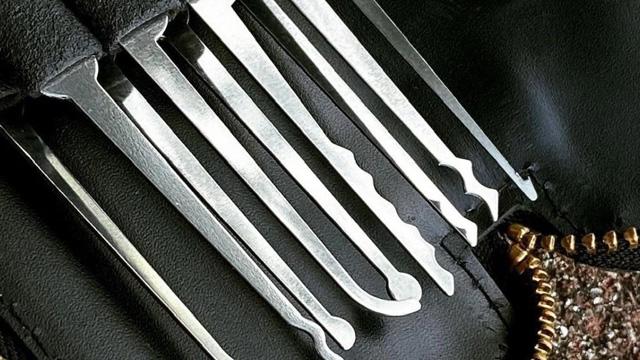
Many lock picking sets advertise dozens of tools at very low prices. While these kits may look appealing, quantity rarely equals quality. Cheap tools are often made from soft metals that bend easily, lose shape, or break under tension. Poorly finished edges can also make learning harder and damage locks.
High-quality picks are typically made from spring steel or stainless steel, offering better durability, feedback, and control. For this reason, many buyers focus less on the number of tools included and more on materials, craftsmanship, and usability when they decide to buy Lock Pick Sets at barhomevip.com, where comparing build quality and tool essentials becomes easier.
A small, well-made set will almost always outperform a large, low-quality bundle—especially for beginners developing proper technique.
4. Tool Types and Essentials
A practical lock picking kit does not need to be complex. At minimum, consider whether the set includes:
• Hook picks – Essential for single-pin picking and learning fundamentals
• Rake picks – Useful for faster, lower-skill techniques
• Tension wrenches – Arguably the most important tool for success
Many beginners overlook tension tools, yet proper tension control is the foundation of effective lock picking. A set with multiple tension wrench styles is often more valuable than one with many pick shapes.
5. Pick Thickness Matters
Lock picking tools come in different thicknesses, usually measured in thousandths of an inch or millimeters. Thicker picks are more durable and beginner-friendly, but they may not fit into tighter or higher-security locks. Thinner picks offer greater access and sensitivity but are easier to bend or snap if mishandled.
If you're just starting, medium-thickness picks are usually the best balance between strength and control. As your skills improve, you can explore thinner, more specialized options.
6. Comfort and Ergonomics
Comfort is often overlooked, but it plays a big role—especially during longer practice sessions. Some tools come with bare metal handles, while others include rubber grips, plastic coatings, or custom handles. Bare metal provides more tactile feedback, which many experienced pickers prefer, but it can become uncomfortable over time.
If hand fatigue or grip comfort matters to you, look for tools with ergonomic handles or consider aftermarket handle sleeves.
7. Practice Locks and Transparency
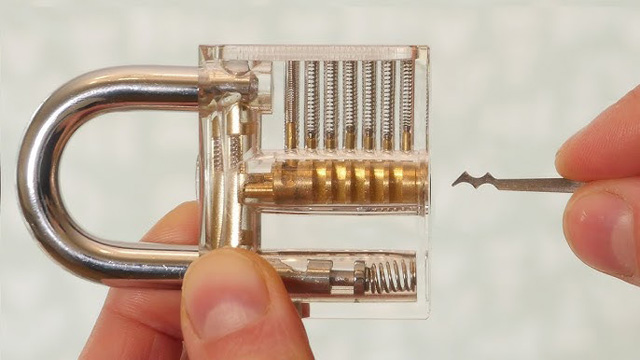
Many beginners benefit from practice locks, especially transparent or cutaway designs that let you see the internal pin movement. While these locks don't perfectly represent real-world locks, they are extremely helpful for understanding how pins, springs, and shear lines work together.
If your budget allows, choosing a bundle that includes a practice lock can accelerate learning and reduce frustration early on.
Conclusion
Purchasing a lock picking tool is not just about buying equipment—it's about making an informed, responsible decision. By understanding the law, defining your goals, prioritizing quality, and choosing the right tools for your skill level, you'll set yourself up for a far better learning experience. With the right preparation and mindset, lock picking can be a fascinating way to explore mechanical systems and develop precision-based skills safely and ethically.