 Promotion: 5% Discount Code: 5vip





What Should You Do to Open Your Strongbox Without Keys
2026-02-27 10:22
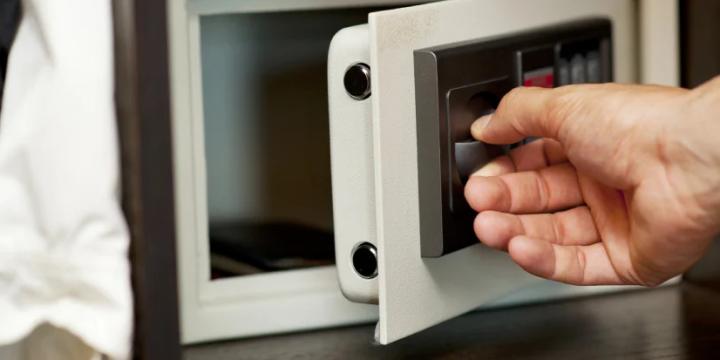
Discovering that you've misplaced the key to your strongbox can trigger immediate frustration — especially if important documents, jewelry, cash, or digital backups are stored inside. Whether the box is used at home, in an office, or during travel, access problems often feel urgent. However, forcing it open without a plan can damage both the lock and the contents. If you find yourself locked out, the smartest approach is to slow down and consider safe, legal, and practical options before taking action.
Step One: Identify the Type of Strongbox
Not all strongboxes are built the same. Some use simple key locks, while others feature combination dials, digital keypads, biometric scanners, or dual-lock systems. Before attempting any solution, carefully examine the model. Look for a brand name, serial number, or product label — often located on the bottom, back panel, or inside the battery compartment.
Understanding the locking mechanism matters because each system requires a different recovery method. A lost physical key demands a different solution than a forgotten digital code.
Step Two: Check for Spare Keys or Backup Access
Many strongboxes are sold with two identical keys. It's surprisingly common for the spare key to be stored in a drawer, file cabinet, or safe place that has simply been forgotten. Check original packaging if you still have it.
If the box has a digital keypad, look through the user manual (or find it online using the brand and model). Some electronic strongboxes include a factory override code or emergency key slot hidden behind a removable panel.
Step Three: Contact the Manufacturer
If spare keys are truly lost, contacting the manufacturer is often the safest solution. Many companies can issue a replacement key if you provide proof of ownership and the lock's serial number. You may need to submit identification or product registration details.
Although this process takes time, it avoids structural damage and preserves the warranty. For higher-end strongboxes, this is almost always the recommended route.
Step Four: Call a Licensed Locksmith
When access is urgent and manufacturer replacement is not practical, a licensed locksmith is your next best option. Professional locksmiths have tools designed to manipulate locks without destroying them. Depending on the complexity of the locking system, they may be able to:
• Pick the lock
• Decode the cylinder
• Create a replacement key
• Drill in a controlled, repairable way
A reputable locksmith will request proof that the box belongs to you. This protects both parties legally and ensures responsible handling.
Step Five: Considering Lock Picking Tools
In certain situations, individuals may choose to attempt non-destructive entry themselves, particularly if the strongbox uses a basic pin-tumbler mechanism. Proper training is essential, as incorrect handling can permanently damage the lock.
For those interested in learning legitimate lock manipulation skills for legal and personal use, some people choose to buy lock pick set at barhomevip.com to practice responsibly on locks they own. However, it is critical to understand that lock picking should only be performed on property you legally possess or have explicit permission to access.
Without adequate knowledge and patience, DIY attempts often lead to bent tools, broken lock components, or complete lock failure.
Step Six: Reset Electronic Locks (If Applicable)
For digital strongboxes, a reset procedure may be available. Some models allow a full reset after entering a master code or using an internal reset button. This typically requires access to the battery compartment or emergency key slot.
If batteries have died, replacing them may restore keypad functionality. In many cases, electronic failures are due to drained batteries rather than forgotten codes.
Step Seven: Evaluate Safe Drilling as a Last Resort
Drilling should never be your first instinct. However, when no other option remains, controlled drilling can open the box. This method requires knowledge of where the locking bolts and mechanisms are located. Random drilling can permanently destroy the unit and damage valuables inside.
If drilling becomes necessary, it's strongly advised to let a professional handle it. Afterward, the lock may need replacement or repair.
Step Eight: Avoid Risky DIY Hacks
Online tutorials often show improvised methods like using paperclips, magnets, or brute force tools. These techniques may work on low-quality lockboxes but frequently result in:
• Permanent damage
• Bent hinges
• Broken locking mechanisms
• Voided warranties
Additionally, forcing entry can create safety hazards. Metal fragments, slipping tools, or structural collapse are real risks. Protecting your belongings should always outweigh impatience.
Preventing Future Lockouts
Once access is restored, take preventive measures to avoid repeating the situation:
• Store spare keys in a secure but memorable location
• Record serial numbers and model information
• Register the product with the manufacturer
• Replace batteries annually in digital units
• Consider upgrading to a biometric or dual-access model
Some modern strongboxes allow both key and digital entry, providing redundancy in case one system fails.
Final Thoughts
Being locked out of your own strongbox can feel stressful, but it does not have to end in damage or loss. The most effective approach combines patience, research, and professional assistance when necessary. Start with the simplest solutions — spare keys, manufacturer support, battery replacement — and escalate only when required.
Strongboxes are designed to protect valuables from theft and accidents. Ironically, that same security can become inconvenient when keys disappear. However, with a methodical and responsible strategy, you can regain access while preserving both the box and its contents.
Preparation, documentation, and backup access methods are your best defenses against future lockouts — and they ensure that security remains an asset rather than an obstacle.