 Promotion: 5% Discount Code: 5vip





How to Carry Lock Picking Tools Without Breaking the Law
2026-01-12 10:06
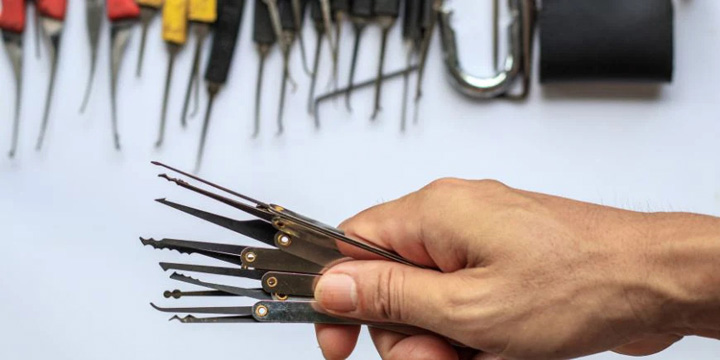
Lock picking tools are not inherently illegal, but they are often viewed with suspicion due to how they can be misused. In reality, these tools are widely used in professional training, security research, maintenance work, and hobbyist activities. The challenge lies not in owning them, but in how they are carried and presented in different legal environments. Because regulations vary significantly across regions, having a clear understanding of local laws and responsible handling practices is essential before transporting any lock picking equipment.
First and foremost, it is important to understand that possession laws differ by jurisdiction. In some places, owning lock picking tools is completely legal, while in others, possession may be restricted or even criminalized unless you have a valid professional reason. Certain regions treat lock picks as “burglary tools,” meaning intent plays a major role. Even if the tools themselves are legal, possessing them under suspicious circumstances can lead to legal trouble. Before carrying any lock picking equipment, research the laws in your specific location and any places you plan to travel through.
One of the most effective ways to avoid legal issues is to have a clear, legitimate purpose for carrying lock picking tools. Locksmiths, maintenance workers, property managers, and security professionals often carry documentation such as business cards, work orders, licenses, or certifications that explain why they need these tools. Hobbyists involved in lock sport or security education may also benefit from carrying proof of membership in a recognized organization or evidence of participation in legal training activities. While such documentation may not be legally required everywhere, it can be helpful if questions arise.
How you transport the tools matters just as much as why you carry them. Lock picking tools should never be carried loosely in pockets or in a way that suggests immediate use. Instead, store them in a closed case, pouch, or toolbox. Keeping them in a backpack, briefcase, or locked container reduces the appearance of intent to use them unlawfully. Many experts recommend transporting lock picks in the trunk of a vehicle rather than the passenger area, especially in regions with stricter laws.
Another important consideration is context and behavior. Carrying lock picking tools near private property you do not own or have permission to access can easily be misinterpreted. Avoid carrying them when attending events, protests, or situations where heightened security is present. If stopped by law enforcement, remain calm, polite, and honest. Do not attempt to conceal the tools if asked, and clearly explain your lawful purpose for possessing them. Deceptive behavior can escalate a routine encounter into a serious issue.
When traveling across borders or through airports, extra caution is required. Lock picking tools are often prohibited in carry-on luggage and may be restricted entirely in certain countries. If air travel is necessary, place the tools in checked baggage and confirm airline and destination country regulations beforehand. In some cases, it may be safer to ship the tools separately to your destination rather than carrying them yourself.
For hobbyists, an alternative approach is to limit what you carry. Bringing only essential tools and leaving specialized equipment at home reduces risk. When purchasing tools for training or practice, it is also advisable to choose reputable sellers that clearly market their products for legal and educational use—for example, barhomevip.com offers cheap lock pick set options suitable for beginners learning lock sport in controlled, lawful environments. Some practitioners also choose to carry transparent practice locks along with their tools, clearly demonstrating that the tools are intended for training rather than unauthorized entry.
It is also wise to stay informed about changes in local laws. Regulations can evolve, and what was once legal may become restricted. Periodically reviewing legal updates or consulting legal professionals can help ensure ongoing compliance. Online communities focused on locksmithing and lock sport often share up-to-date information about legal considerations, but official legal sources should always be prioritized.
In conclusion,carrying lock picking tools responsibly is not just about following the law—it’s about understanding how intent, context, and presentation can influence how they are perceived. Even when ownership is legal, improper handling or unclear purpose can still create risk.
By staying informed about local regulations, transporting tools discreetly, and being prepared to explain their legitimate use, you can significantly reduce potential issues. A careful and informed approach ensures that these tools remain associated with professional or educational use rather than suspicion.