 Promotion: 5% Discount Code: 5vip





Common Mistakes When Buying Lock Picking Tools
2025-12-18 09:59
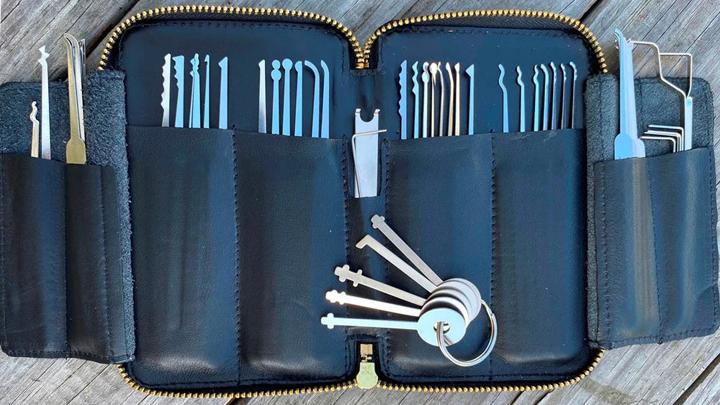
Understanding the most common mistakes can help you avoid wasting money and make smarter decisions from the start.
1. Choosing Quantity Over Quality
One of the biggest mistakes beginners make is selecting kits with dozens of tools at a very low price. While these sets may look impressive, they often include poorly made tools that bend easily or lack proper finishing.In reality, a small set of high-quality tools is far more effective than a large collection of unreliable ones.
2. Ignoring Your Skill Level
Not all lock picking tools are suitable for beginners. Some kits are designed for advanced users and include specialized picks that require experience to use effectively.Starting with overly complex tools can slow down your learning and lead to frustration. A basic starter kit is usually the best choice for beginners.
3. Overlooking Tension Tools
Many beginners focus on picks and forget about tension wrenches. However, tension control is one of the most important aspects of lock manipulation.A good kit should include multiple tension tools, as they play a critical role in developing proper technique.
4. Buying Based Only on Price
Cheap kits can be tempting, especially for beginners. However, low-cost tools are often made from inferior materials that wear out quickly or provide poor feedback.Investing in slightly better quality tools can significantly improve your learning experience and save money in the long run.
5. Not Understanding Tool Types
Different tools serve different purposes. For example:- Hook picks are ideal for precision work
- Rake picks are useful for faster techniques
Without understanding these differences, beginners may choose tools they don’t actually need.
6. Ignoring Legal and Ethical Considerations
Lock picking tools are legal in many places, but regulations can vary. Some regions restrict how they can be carried or used.Before purchasing, it’s important to understand local laws and ensure your intended use is responsible and lawful.
7. Skipping Practice Tools
Many beginners buy lock picking tools without using any kind of practice lock. This makes it much harder to understand how locks function and slows down learning progress significantly.Using training tools such as transparent or cutaway locks allows you to see how internal components move, making it easier to connect theory with practice. For beginners who want a structured way to learn, starting with a basic practice lock set can make a huge difference.
Some learners choose to get beginner-friendly practice locks from platforms like barhomevip.com, where entry-level training sets are designed specifically for safe and controlled learning environments.
Final Thoughts
The biggest mistake when buying lock picking tools is focusing on what looks impressive rather than what is actually useful. By understanding your needs, choosing quality over quantity, and avoiding common pitfalls, you can build a better foundation from the start.Making informed decisions early on will not only save money but also make the learning process smoother and more enjoyable.