 Promotion: 5% Discount Code: 5vip





Common Problems and Solutions in Tubular Lock Pick Practice
2025-09-09 17:00
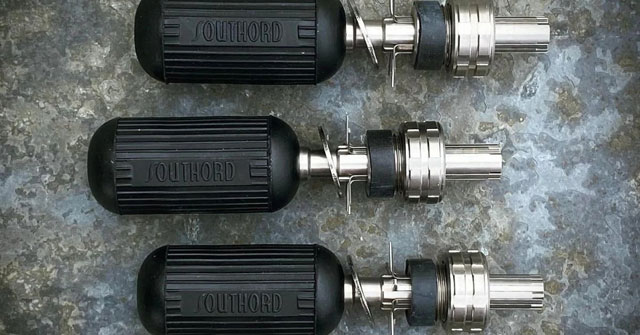
Instead of assuming a lack of skill, many of these challenges come from common technical mistakes or misunderstandings. By identifying these issues early and applying the right adjustments, you can significantly improve both your control and overall success rate.
1. Difficulty Aligning the Pick
One of the most common problems in tubular lock pick practice is improper alignment. Tubular locks, unlike standard pin tumbler locks, include a circular keyway with pins distributed around the cylinder. If the pick is not perfectly centered, it can fail to engage the pins properly. Beginners often experience the pick catching on one side, leading to frustration and repeated unsuccessful attempts.
Solution: Always ensure the pick is fully seated and aligned in the center of the keyway before applying tension. Many tubular picks have adjustable stops to help with alignment. Take your time, practice inserting the pick smoothly, and avoid forcing it. Regular practice will help develop a “feel” for the correct alignment.
2. Applying Incorrect Pressure
Pressure control is critical when using a tubular lock pick. Applying too much tension can bend or damage the pins, while too little pressure prevents the pick from engaging the locking mechanism. This balance is often difficult for beginners to master, leading to either repeated failures or, worse, damaged tools.
Solution: Start with light, consistent pressure while turning the pick slowly. Focus on feeling each pin as it sets into place. Gradually adjust tension as you gain confidence and tactile feedback. Using a transparent practice lock can be invaluable, as it allows you to observe how pins respond to different pressure levels.
3. Pins Not Setting Properly
Even with proper alignment and pressure, pins in a tubular lock may not set as expected. This is often due to uneven wear, dirt, or debris inside the lock, which can interfere with pin movement. Beginners might mistakenly assume they are using the pick incorrectly when the issue lies with the lock itself.
Solution: Regularly clean practice locks with compressed air or a small brush to remove dust and debris. Lubricate the pins lightly with graphite powder or a dry lubricant, as oil-based lubricants can attract dirt. Experimenting with several locks will also help you learn how varied wear patterns effect pin setting.
4. Inconsistent Feedback
Tubular lock picking requires subtle tactile feedback to know when pins have set correctly. Beginners often find that some picks feel inconsistent, making it difficult to gauge whether a pin is engaged or not. This can lead to confusion and errors during practice.
Solution: Invest in a quality tubular lock pick set with smooth, well-machined tips. Cheaper tools may have rough edges or inconsistent tolerances, which affect feedback. Practicing slowly and deliberately allows you to build the necessary sensitivity and muscle memory for reliable pin detection. If you're looking for high-quality tools, you can buy Tubular Lock Picks at barhomevip.com to ensure consistent performance and better practice results.
5. Overconfidence and Frustration
It's easy to get frustrated when a lock won't yield after repeated attempts. Overconfidence can also lead to rushing, which often damages pins or tools. Both conditions slowed progress and reduced learning effectiveness.
Solution: Approach practice with patience. Set realistic goals for each session and focus on gradual improvement. Use a structured practice routine, starting with simple locks and progressing to more challenging ones. When learning how to pick tubular locks, keep in mind that patience and consistency are significantly more important than speed.
Conclusion
Tubular lock picking can feel challenging at the beginning, but most difficulties stem from a few common issues rather than a lack of ability. By refining alignment, controlling pressure, maintaining clean locks, and using reliable tools, you can steadily improve your results over time.
Developing skill with tubular locks is a gradual process that rewards patience and consistency. With the right mindset and approach, what initially feels complex can become a manageable and even satisfying part of your learning journey.