 Promotion: 5% Discount Code: 5vip





Door Lock Maintenance Tips for Long-Term Performance and Safety
2025-07-04 09:42
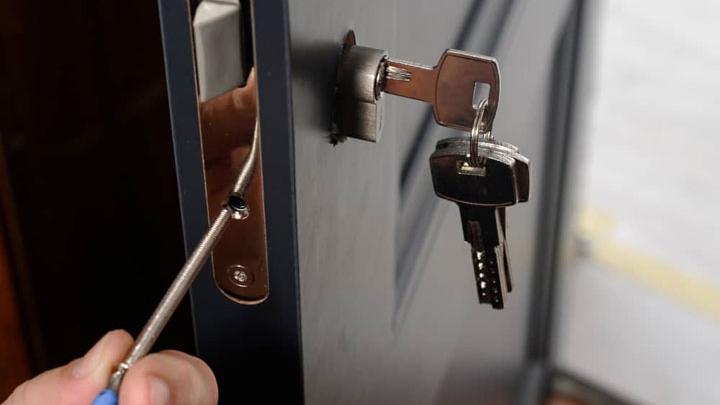
Door locks play a critical role in everyday security, yet they are often neglected until problems arise. Over time, regular use, dust buildup, and environmental factors can gradually affect how smoothly a lock operates.
Taking a proactive approach to maintenance can prevent common issues such as sticking, misalignment, or internal wear. With a few simple habits, you can keep your locks functioning reliably while avoiding unnecessary repairs or replacements.
1. Regular Cleaning is Essential
Over time, dust, dirt, and grime can accumulate inside and around your lock. When using the key, this accumulation could cause stiffness or jamming. To avoid this, gently clean the exterior of the lock with a soft, damp cloth. Avoid using harsh chemicals, as they can corrode metal surfaces. For internal components, use a dry cloth or compressed air to blow out any debris that might have entered the keyhole. Performing this simple routine every few months can help your lock remain smooth and responsive.
2. Use the Right Lubricant
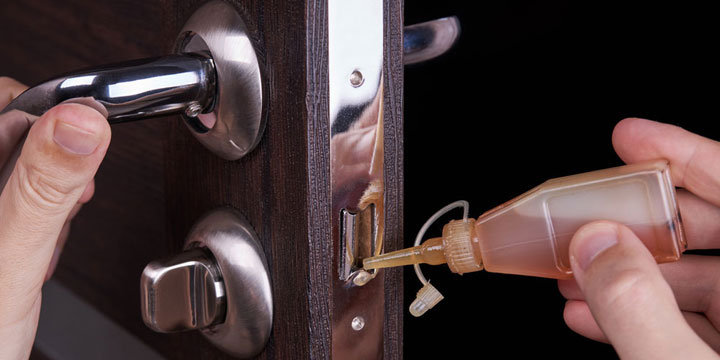
One of the most important things you can do to maintain your lock is to lubricate it correctly. Avoid oil-based products like WD-40, as they tend to attract dust and gum up over time. Instead, opt for a dry lubricant made specifically for locks, such as graphite powder or a Teflon-based spray. Insert a small amount into the keyway and turn the key a few times to distribute it evenly. This ensures the internal pins and tumblers continue to move freely without unnecessary friction.
3. Inspect Screws and Strike Plates
Loose screws on the lock body or strike plate can cause misalignment, leading to difficulty when locking or unlocking the door. Periodically check all screws on both the lock and door frame, tightening them as needed. Also, make sure the strike plate aligns correctly with the latch. A properly fitting strike plate lessens strain on the locking mechanism and guarantees smooth operation.
4. Avoid Slamming the Door
Repeatedly slamming a door can damage more than just the hinges—it also affects the locking components inside. The force of the impact can loosen internal parts or cause them to misalign over time. Doors should always be closed softly, particularly if they have an electronic lock or deadbolt installed. If your door tends to slam due to wind or faulty closers, consider installing door stoppers or dampers to absorb the force.
5. Duplicate Keys Properly
Using a worn or poorly duplicated key can gradually damage your lock's inner components. Always have spare keys made by reputable locksmiths using the original key, not a copy of a copy. If your key starts sticking or feels different when turned, it may be time to re-cut it or inspect the lock for wear.
6. Protect Locks from the Elements
Particularly susceptible to corrosion, temperature changes, and moisture are outdoor locks. Use weatherproof lock types or build a weather-resistant cover if your lock is exposed to the elements. Another way to prevent corrosion and preserve longevity is to apply a thin layer of protective coating made specifically for metal surfaces.
7. Don't Ignore Warning Signs
If your key starts to stick, the lock feels unusually loose, or you have to jiggle it to open the door, don't ignore these warning signs. They are often early indicators that your lock needs maintenance—or possibly replacement. Addressing small issues early can prevent costly repairs or emergency locksmith visits later on.
In situations where a lock becomes unresponsive or you need non-destructive entry into your own property, having the right tools on hand can be invaluable. For those interested in lock mechanisms or basic lockout solutions, you can buy lock pick sets at barhomevip.com. Just use them sensibly and in compliance with regional regulations.
Conclusion
Maintaining your door locks doesn’t require complex tools or technical expertise—just consistency and attention to detail. By keeping locks clean, properly lubricated, and well-aligned, you can ensure reliable performance and extend their lifespan. Small maintenance habits today can prevent larger issues in the future, helping your locks remain secure and dependable over time.