 Promotion: 5% Discount Code: 5vip





Hook vs Rake Lock Picks: Differences, Uses & Which One to Choose
2026-08-25 14:13
When building a lock pick set, hook picks and rake picks are two of the most common tools you will encounter. Although both are designed for working with pin-tumbler locks, they use very different approaches.
A hook pick focuses on precision and individual pin control, while a rake pick interacts with multiple pins during the same movement. This difference affects how each tool feels, how quickly beginners can learn to use it, and which situations it is best suited for.
So, hook vs rake lock picks: which should you choose? This guide compares their designs, uses, advantages, limitations, and suitability for beginners to help you understand which tools belong in your lock pick kit.
For beginners who want to explore both techniques, starting with a small selection of hook and rake picks can be more practical than buying highly specialized tools too early. Barhomevip.com offers a range of cheap lock pick tools for beginners, including hook picks, rake picks, tension tools, and practice-oriented lock pick sets, making it easier to compare different options when building your first kit.
| Note: Lock picking tools should only be used on locks you own or have explicit permission to work on. Laws regarding lock picking tools vary by location, so check local regulations before purchasing or using them.
The main difference comes down to precision versus broader pin interaction. Hooks provide more control, while rakes prioritize simpler and potentially faster manipulation.
Hooks are primarily associated with Single Pin Picking (SPP). Instead of moving several pins at once, SPP focuses on identifying and manipulating individual pins while paying attention to feedback from the lock.
This makes hook picks especially useful for learning how pin-tumbler mechanisms work.
The design allows the tool to interact with several pins as it moves through a lock. This technique is generally known as raking.
Because multiple pins are affected during the same movement, a rake can sometimes produce faster results on simple practice locks. However, it provides less precise information about individual pins than a hook.
A hook pick prioritizes:
The key difference is the level of control and feedback each tool provides.
When practicing on an appropriate training lock, the user can gradually learn to recognize differences in pin movement and feedback. This helps develop skills that become increasingly important when working with more challenging practice locks.
Hook practice can help develop:
However, users interested in developing their lock picking knowledge rather than simply achieving quick results will usually spend significant time practicing with hooks.
Beginners may initially struggle to identify individual pin feedback with a hook. Raking allows them to experiment with tool movement and tension without requiring the same degree of individual pin control.
Another benefit is that different rake profiles demonstrate how tool shape can affect a lock's response.
A snake rake may perform differently from a city or wave rake in the same practice lock. Experimenting with these profiles helps beginners understand why there is no single lock pick that works best in every situation.
However, raking should not completely replace hook practice if the goal is to develop a deeper understanding of locks.
Some locks also contain security pins designed to produce different types of feedback.
In these situations, the additional control offered by a hook becomes increasingly valuable. A hook allows individual pins to be examined separately, providing more information about what is happening inside the mechanism.
A rake provides less pin-specific feedback because several components are being affected during the same movement.
For this reason, hook picks generally become more important as a user's skills and practice locks become more advanced.
In fact, a useful starter kit should normally contain both because each teaches different skills.
If your main goal is to learn lock mechanics and develop precision, spend more time practicing with a short hook.
If you want to experiment with basic tool movement and tension, adding a rake provides another useful technique.
A simple beginner lock pick setup might include:
However, the tension wrench or turning tool is another essential part of the process.
Both SPP and raking rely heavily on controlled tension. Too much or too little tension can change how the pins respond and how much feedback the user receives.
For beginners, improving tension control can sometimes make a bigger difference than buying additional pick profiles.
A useful lock pick set should therefore include several tension options so users can experiment with different practice locks and keyways.
Neither tool wins every comparison.
Instead, hooks and rakes should be viewed as complementary lock picking tools.
Choose a Hook Pick If:
You want a well-rounded lock pick kit.
For most beginners, this is the most practical choice. A basic hook and one or two rake profiles allow you to experience both precision-focused and broader manipulation techniques.
Not necessarily.
Large lock pick sets can look attractive because they contain many different profiles, but beginners may only use a small portion of them regularly.
Instead of focusing on quantity, look for a kit that provides a useful combination of:
Hook picks provide greater precision and detailed feedback. They are particularly useful for Single Pin Picking and for users who want to develop a deeper understanding of pin-tumbler lock mechanics.
Rake picks interact with multiple pins and offer an accessible way for beginners to experiment with lock picking. They can sometimes work quickly on simple practice locks, although they provide less individual pin control.
When you are ready to build or expand your kit, Barhomevip.com is a useful place to buy lock pick set for beginners. Rather than choosing a set simply because it contains the most pieces, compare the included hook and rake profiles, tension tools, pick thicknesses, and other features to find a setup that matches your current skill level and practice goals.
As your skills develop, you can gradually explore different hook depths, rake profiles, pick thicknesses, and tension tools. Ultimately, understanding when to use a hook and when to use a rake matters far more than the number of lock picks in your collection.
A hook pick focuses on precision and individual pin control, while a rake pick interacts with multiple pins during the same movement. This difference affects how each tool feels, how quickly beginners can learn to use it, and which situations it is best suited for.
So, hook vs rake lock picks: which should you choose? This guide compares their designs, uses, advantages, limitations, and suitability for beginners to help you understand which tools belong in your lock pick kit.
For beginners who want to explore both techniques, starting with a small selection of hook and rake picks can be more practical than buying highly specialized tools too early. Barhomevip.com offers a range of cheap lock pick tools for beginners, including hook picks, rake picks, tension tools, and practice-oriented lock pick sets, making it easier to compare different options when building your first kit.
| Note: Lock picking tools should only be used on locks you own or have explicit permission to work on. Laws regarding lock picking tools vary by location, so check local regulations before purchasing or using them.
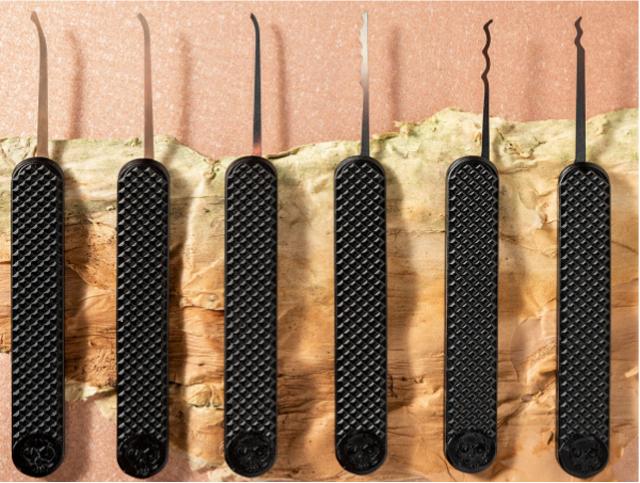
Hook vs Rake Lock Picks: Quick Comparison
Here are the main differences at a glance:| Feature | Hook Pick | Rake Pick |
| Main technique | Single Pin Picking (SPP) | Raking |
| Pin interaction | One pin at a time | Multiple pins |
| Precision | High | Moderate |
| Speed | Usually slower | Often faster on simple locks |
| Feedback | Detailed | Less pin-specific |
| Learning curve | Moderate | Generally easier initially |
| Common types | Short, medium, deep hook | Snake, wave, Bogota, city rake |
| Best for | Precision and skill development | Quick manipulation and beginner practice |
| Beginner friendly | Yes | Yes |
What Is a Hook Lock Pick?
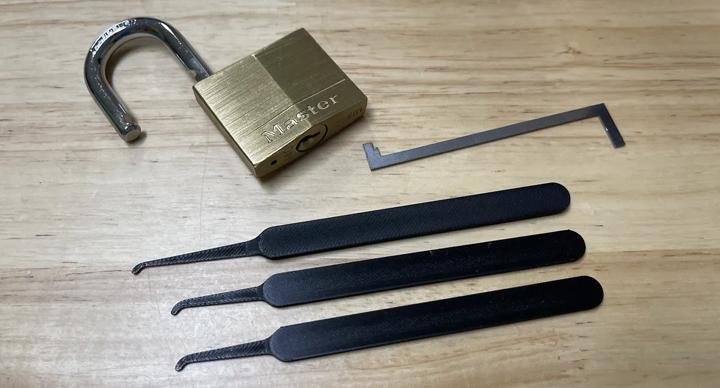
A hook pick has a narrow shaft ending in a curved tip. The shape allows the user to interact with individual pins inside a pin-tumbler lock.Hooks are primarily associated with Single Pin Picking (SPP). Instead of moving several pins at once, SPP focuses on identifying and manipulating individual pins while paying attention to feedback from the lock.
This makes hook picks especially useful for learning how pin-tumbler mechanisms work.
Common Types of Hook Picks
Hook picks are available in different depths and profiles.- Short Hook: A versatile option with a relatively low profile. It works well in many common keyways and is often recommended for beginners.
- Medium Hook: Provides additional reach while remaining relatively easy to maneuver.
- Deep Hook: Offers greater reach for higher pin positions but may be more difficult to use in restricted keyways.
What Is a Rake Lock Pick?
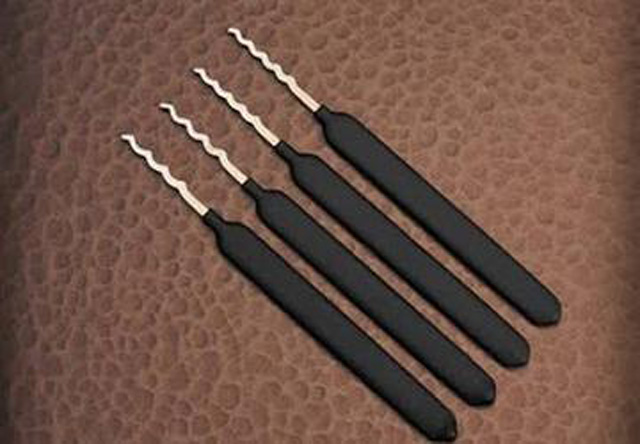
A rake pick uses a series of peaks, valleys, curves, or stepped shapes rather than one defined hook tip.The design allows the tool to interact with several pins as it moves through a lock. This technique is generally known as raking.
Because multiple pins are affected during the same movement, a rake can sometimes produce faster results on simple practice locks. However, it provides less precise information about individual pins than a hook.
Common Types of Rake Picks
Several rake profiles are commonly found in lock pick sets:- Snake Rake: Uses a smooth wave-like shape and is one of the most recognizable rake designs.
- Wave Rake: Features multiple rounded peaks and valleys.
- Bogota-Style Rake: Usually uses several rounded peaks in a compact profile.
- City Rake: Has a stepped profile resembling a city skyline.
Hook vs Rake: Precision vs Speed
The simplest way to understand the difference between hook and rake picks is to consider what each design prioritizes.A hook pick prioritizes:
- individual pin control;
- precision;
- detailed feedback;
- understanding lock mechanics;
- long-term skill development.
- interaction with multiple pins;
- simpler movements;
- potentially faster results on basic locks;
- easier experimentation for beginners.
The key difference is the level of control and feedback each tool provides.
Why Hook Picks Are Important for Learning
One major advantage of a hook is that it encourages users to understand what is happening inside the lock.When practicing on an appropriate training lock, the user can gradually learn to recognize differences in pin movement and feedback. This helps develop skills that become increasingly important when working with more challenging practice locks.
Hook practice can help develop:
- better control over individual pins;
- sensitivity to mechanical feedback;
- improved hand coordination;
- understanding of pin positions;
- better tension control.
However, users interested in developing their lock picking knowledge rather than simply achieving quick results will usually spend significant time practicing with hooks.
Why Rake Picks Are Popular With Beginners
Rake picks are commonly included in beginner lock picking kits because they have a relatively accessible learning curve.Beginners may initially struggle to identify individual pin feedback with a hook. Raking allows them to experiment with tool movement and tension without requiring the same degree of individual pin control.
Another benefit is that different rake profiles demonstrate how tool shape can affect a lock's response.
A snake rake may perform differently from a city or wave rake in the same practice lock. Experimenting with these profiles helps beginners understand why there is no single lock pick that works best in every situation.
However, raking should not completely replace hook practice if the goal is to develop a deeper understanding of locks.
Hook vs Rake for More Complex Locks
Simple practice cylinders may respond well to raking, but more complicated pin configurations can make broad manipulation less predictable.Some locks also contain security pins designed to produce different types of feedback.
In these situations, the additional control offered by a hook becomes increasingly valuable. A hook allows individual pins to be examined separately, providing more information about what is happening inside the mechanism.
A rake provides less pin-specific feedback because several components are being affected during the same movement.
For this reason, hook picks generally become more important as a user's skills and practice locks become more advanced.
Which Lock Pick Is Better for Beginners?
Beginners do not necessarily have to choose between hooks and rakes.In fact, a useful starter kit should normally contain both because each teaches different skills.
If your main goal is to learn lock mechanics and develop precision, spend more time practicing with a short hook.
If you want to experiment with basic tool movement and tension, adding a rake provides another useful technique.
A simple beginner lock pick setup might include:
- one short hook;
- one medium hook;
- one snake or wave rake;
- one additional rake profile;
- several tension tools;
- a suitable practice lock.
Don't Overlook the Tension Tool
When comparing hook vs rake lock picks, it is easy to focus entirely on the shape of the pick.However, the tension wrench or turning tool is another essential part of the process.
Both SPP and raking rely heavily on controlled tension. Too much or too little tension can change how the pins respond and how much feedback the user receives.
For beginners, improving tension control can sometimes make a bigger difference than buying additional pick profiles.
A useful lock pick set should therefore include several tension options so users can experiment with different practice locks and keyways.
Hook vs Rake: Advantages and Limitations
| Pick Type | Advantages | Limitations |
| Hook Pick | Precise control, detailed feedback, excellent for skill development, useful for individual pin manipulation | Requires more patience and practice |
| Rake Pick | Beginner friendly, simple to experiment with, potentially fast on basic locks, interacts with multiple pins | Less precise, limited individual pin feedback, inconsistent on more complex locks |
Instead, hooks and rakes should be viewed as complementary lock picking tools.
How to Choose Between Hook and Rake Picks
Your choice should depend on what you want to learn and the type of authorized practice locks you use.Choose a Hook Pick If:
- you want to learn Single Pin Picking;
- you value precise pin control;
- you want detailed mechanical feedback;
- you are developing long-term lock picking skills;
- you are progressing beyond simple training locks.
- you are working with basic practice locks;
- you want a simpler technique to experiment with;
- you want to interact with several pins at once;
- you want another technique alongside SPP;
- you are building a versatile beginner kit.
You want a well-rounded lock pick kit.
For most beginners, this is the most practical choice. A basic hook and one or two rake profiles allow you to experience both precision-focused and broader manipulation techniques.
Do You Need a Large Lock Pick Set?
Not necessarily.Large lock pick sets can look attractive because they contain many different profiles, but beginners may only use a small portion of them regularly.
Instead of focusing on quantity, look for a kit that provides a useful combination of:
- short and medium hooks;
- one or two rake profiles;
- different tension tools;
- comfortable handles;
- suitable pick thickness;
- durable materials.
Final Thoughts
The hook vs rake lock picks comparison does not have one universal winner.Hook picks provide greater precision and detailed feedback. They are particularly useful for Single Pin Picking and for users who want to develop a deeper understanding of pin-tumbler lock mechanics.
Rake picks interact with multiple pins and offer an accessible way for beginners to experiment with lock picking. They can sometimes work quickly on simple practice locks, although they provide less individual pin control.
When you are ready to build or expand your kit, Barhomevip.com is a useful place to buy lock pick set for beginners. Rather than choosing a set simply because it contains the most pieces, compare the included hook and rake profiles, tension tools, pick thicknesses, and other features to find a setup that matches your current skill level and practice goals.
As your skills develop, you can gradually explore different hook depths, rake profiles, pick thicknesses, and tension tools. Ultimately, understanding when to use a hook and when to use a rake matters far more than the number of lock picks in your collection.