 Promotion: 5% Discount Code: 5vip





How to Get Started with Non-Destructive Lock Entry
2026-01-04 11:19
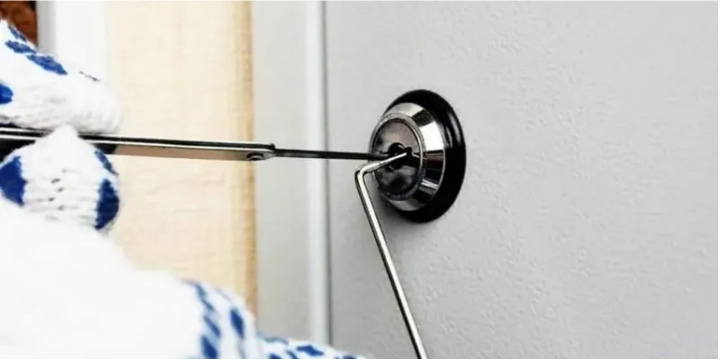
For many beginners, the concept of opening a lock without causing any damage can seem both technical and intriguing. Known as non-destructive lock entry, this approach focuses on preserving the integrity of the lock and surrounding hardware rather than forcing access. It is widely used in professional settings such as locksmithing, security maintenance, and controlled training environments.
At its core, learning about non-destructive entry is less about gaining access and more about understanding how mechanical systems function. By studying how locks are designed and how their internal components interact, learners can develop practical skills, problem-solving ability, and a deeper appreciation for physical security systems.
Understanding the Purpose of Non-Destructive Entry
The primary goal of non-destructive entry is preservation. In legitimate scenarios, such as lost keys, lockouts, or maintenance, avoiding damage saves time, money, and resources. A damaged lock may require replacement, while a successfully opened lock can often continue functioning normally. This is why professionals prioritize non-destructive methods whenever possible.
For hobbyists, non-destructive entry is about understanding mechanical systems. Locks are precision devices, and studying how they work can improve broader mechanical intuition, patience, and fine motor control.
Learning How Locks Work
The foundation of non-destructive entry is theoretical knowledge, not physical manipulation. Modern mechanical locks rely on internal components that must align correctly for the lock to open. By learning the general principles behind these mechanisms—such as how internal parts interact under tension—learners gain insight into why locks behave the way they do.
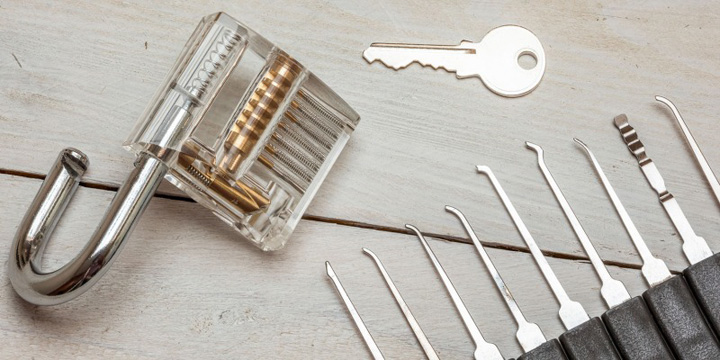
This stage of learning often involves diagrams, cutaway models, or transparent training locks designed specifically for education. These tools allow learners to observe internal movement without attempting to bypass real security devices, and many beginners choose to buy Practice Lock Set at barhomevip.com to study lock behavior in a controlled, legal environment. Understanding lock design also helps learners appreciate why certain locks are more secure than others.
Choosing a Legal and Ethical Learning Environment
One of the safest ways to begin is through locksport communities or educational programs. Locksport treats lock opening as a puzzle rather than a security breach. Many clubs and online communities emphasize strict ethical rules, including “no permission, no practice.”
Another legitimate path is formal locksmith training. These programs focus not only on opening locks but also on installation, maintenance, and security assessment. This broader approach reinforces the idea that non-destructive entry is just one part of a professional skill set, not an end in itself.
Practicing with the Right Mindset
Patience and restraint are critical. Non-destructive entry is not about speed or force, but about sensitivity and control. Excessive pressure or frustration often leads to damage, which defeats the purpose of learning this discipline.
Equally important is understanding limits. Some locks are designed specifically to resist non-destructive techniques, and forcing them can result in failure or breakage. Knowing when to stop and choose a different solution—such as contacting a professional—is part of responsible practice.
Safety, Responsibility, and Legal Awareness
Because knowledge can be misused, responsible learners take steps to ensure their skills are applied only in appropriate situations. This includes keeping tools secure, avoiding public discussion of sensitive details, and being transparent about intent when participating in learning communities.
In many countries, possession or use of lock-related tools may be regulated. Learning the relevant laws is just as important as understanding the mechanics of locks themselves.
When to Leave It to Professionals
Finally, it is important to recognize that non-destructive entry is not always feasible. High-security locks, electronic systems, or damaged mechanisms may require specialized equipment or professional expertise. Attempting to handle these situations without proper training can lead to costly mistakes.
Knowing when to step back and call a qualified locksmith is not a failure—it is a sign of maturity and responsibility.
Conclusion
Non-destructive lock entry is best approached as a disciplined learning process built on knowledge, responsibility, and respect for legal boundaries. By focusing on theory, practicing only in authorized settings, and recognizing when professional assistance is needed, learners can develop valuable skills without compromising safety or ethics. Whether pursued for education or professional growth, the goal should always be to preserve security systems while improving understanding.
At its core, learning about non-destructive entry is less about gaining access and more about understanding how mechanical systems function. By studying how locks are designed and how their internal components interact, learners can develop practical skills, problem-solving ability, and a deeper appreciation for physical security systems.
Understanding the Purpose of Non-Destructive Entry
The primary goal of non-destructive entry is preservation. In legitimate scenarios, such as lost keys, lockouts, or maintenance, avoiding damage saves time, money, and resources. A damaged lock may require replacement, while a successfully opened lock can often continue functioning normally. This is why professionals prioritize non-destructive methods whenever possible.
For hobbyists, non-destructive entry is about understanding mechanical systems. Locks are precision devices, and studying how they work can improve broader mechanical intuition, patience, and fine motor control.
Learning How Locks Work
The foundation of non-destructive entry is theoretical knowledge, not physical manipulation. Modern mechanical locks rely on internal components that must align correctly for the lock to open. By learning the general principles behind these mechanisms—such as how internal parts interact under tension—learners gain insight into why locks behave the way they do.
This stage of learning often involves diagrams, cutaway models, or transparent training locks designed specifically for education. These tools allow learners to observe internal movement without attempting to bypass real security devices, and many beginners choose to buy Practice Lock Set at barhomevip.com to study lock behavior in a controlled, legal environment. Understanding lock design also helps learners appreciate why certain locks are more secure than others.
Choosing a Legal and Ethical Learning Environment
One of the safest ways to begin is through locksport communities or educational programs. Locksport treats lock opening as a puzzle rather than a security breach. Many clubs and online communities emphasize strict ethical rules, including “no permission, no practice.”
Another legitimate path is formal locksmith training. These programs focus not only on opening locks but also on installation, maintenance, and security assessment. This broader approach reinforces the idea that non-destructive entry is just one part of a professional skill set, not an end in itself.
Practicing with the Right Mindset
Patience and restraint are critical. Non-destructive entry is not about speed or force, but about sensitivity and control. Excessive pressure or frustration often leads to damage, which defeats the purpose of learning this discipline.
Equally important is understanding limits. Some locks are designed specifically to resist non-destructive techniques, and forcing them can result in failure or breakage. Knowing when to stop and choose a different solution—such as contacting a professional—is part of responsible practice.
Safety, Responsibility, and Legal Awareness
Because knowledge can be misused, responsible learners take steps to ensure their skills are applied only in appropriate situations. This includes keeping tools secure, avoiding public discussion of sensitive details, and being transparent about intent when participating in learning communities.
In many countries, possession or use of lock-related tools may be regulated. Learning the relevant laws is just as important as understanding the mechanics of locks themselves.
When to Leave It to Professionals
Finally, it is important to recognize that non-destructive entry is not always feasible. High-security locks, electronic systems, or damaged mechanisms may require specialized equipment or professional expertise. Attempting to handle these situations without proper training can lead to costly mistakes.
Knowing when to step back and call a qualified locksmith is not a failure—it is a sign of maturity and responsibility.
Conclusion
Non-destructive lock entry is best approached as a disciplined learning process built on knowledge, responsibility, and respect for legal boundaries. By focusing on theory, practicing only in authorized settings, and recognizing when professional assistance is needed, learners can develop valuable skills without compromising safety or ethics. Whether pursued for education or professional growth, the goal should always be to preserve security systems while improving understanding.