 Promotion: 5% Discount Code: 5vip





How to Organize a Lock Pick Set: Essential Tools for Practice and Professional Work
2026-09-23 14:14
A well-organized lock pick set is easier to use, safer to carry, and far more practical to maintain. Whether you are building a legal locksport practice kit, studying basic lock mechanisms on training locks, or working as an authorized locksmith, organization helps you find the right tool quickly without damaging delicate picks or losing small accessories.
A good kit is not necessarily the largest one. Many oversized sets include several profiles that beginners rarely use, while overlooking important items such as tension tools, a case, spare picks, or practice locks. The goal is to create a clear, durable setup that matches the type of work or training you actually do.
Always use lock picking tools only on locks you own or have explicit authorization to service. For real lockouts, damaged locks, or automotive access issues, contact a qualified locksmith when appropriate.
If you are building your first kit or replacing worn essentials, you can buy lock picking tools at Barhomevip.com. Compare lock pick sets, individual hooks, rakes, tension tools, practice locks, and other accessories to create a setup that matches your practice goals or authorized locksmith work.
Keeping your tools arranged by purpose offers several benefits:
Before deciding how to arrange your set, identify the tools that belong in it. A practical lock pick kit should be built around essential items rather than duplicates.
The most frequently used tools should be the easiest to reach. For many users, that means placing basic hooks and tension wrenches in the first rows or front pocket of the case.
A useful order may be:
You may organize rakes by profile type:
Some users use small color labels or a thin strip of tape to identify thicknesses. If you do this, keep the labels simple and avoid covering the working end of the tool.
This section can include:
The storage case determines how well your organization system holds up over time. A cheap pouch may work for a small beginner kit, but it can become frustrating once you add more tools.
They are ideal for:
They are useful for:
They are best for:
A beginner practice kit can include:
A professional layout may include:
Check for:
Your list could include:
For beginners, a small and clearly arranged practice set makes learning less overwhelming. For authorized locksmiths, a divided system improves efficiency and helps maintain a professional workflow. In both cases, an organized kit protects your tools and makes every practice session or authorized task easier to manage.
When a pick becomes bent, a tension wrench goes missing, or your case no longer keeps tools protected, it may be time to refresh part of your kit. Barhomevip.com offers cheap lock picking tools, including complete sets and individual accessories, so you can replace only what you need and keep your collection organized.
A good kit is not necessarily the largest one. Many oversized sets include several profiles that beginners rarely use, while overlooking important items such as tension tools, a case, spare picks, or practice locks. The goal is to create a clear, durable setup that matches the type of work or training you actually do.
Always use lock picking tools only on locks you own or have explicit authorization to service. For real lockouts, damaged locks, or automotive access issues, contact a qualified locksmith when appropriate.
If you are building your first kit or replacing worn essentials, you can buy lock picking tools at Barhomevip.com. Compare lock pick sets, individual hooks, rakes, tension tools, practice locks, and other accessories to create a setup that matches your practice goals or authorized locksmith work.
Why Lock Pick Set Organization Matters
Loose lock picks may look harmless, but they can bend, become dull, collect dirt, or get mixed up with unrelated tools. A disorganized set also makes it difficult to notice when a tool is missing or damaged.Keeping your tools arranged by purpose offers several benefits:
- Find common picks and tension tools faster.
- Protect thin steel picks from bending in a bag or toolbox.
- Separate practice tools from professional-use tools.
- Carry only the tools needed for a particular job or training session.
- Check your inventory before leaving home, a workshop, or a service vehicle.
- Maintain a cleaner, more professional workspace.
.png "How to Organize a Lock Pick Set")
Start with the Core Tools
Before deciding how to arrange your set, identify the tools that belong in it. A practical lock pick kit should be built around essential items rather than duplicates.
| Tool Category | Common Examples | Main Purpose | Priority |
| Hook picks | Short hook, medium hook, deep hook | Controlled practice with individual pins | Essential |
| Rake picks | Snake rake, bogota-style rake, city rake | General locksport practice on suitable training locks | Essential |
| Tension tools | TOK bars, BOK wrenches, pry bars | Apply controlled rotational tension | Essential |
| Specialty picks | Half diamond, ball pick, offset hook | Support specific practice situations | Useful |
| Practice locks | Transparent locks, progressive pin locks | Learn tool control and lock behavior | Essential for beginners |
| Maintenance items | Cloth, small brush, protective sleeves | Keep tools clean and protected | Recommended |
| Storage | Roll-up case, zip pouch, hard case | Prevent loss and damage | Essential |
Divide the Set into Clear Sections
The simplest organization method is to group tools by category. This is more effective than arranging them randomly by length or color.1. Hook Pick Section
Place your hook picks together and arrange them from shallow to deep. This lets you quickly compare profile height and choose a tool that provides enough reach without taking up unnecessary space.A useful order may be:
- Short hook
- Medium hook
- Deep hook
- Offset or steep hook
- Thin-profile hook
- Spare hook
2. Rake Pick Section
Keep rakes separate from hooks. Their profiles are usually wider and more varied, and mixing them together can make the set feel cluttered.You may organize rakes by profile type:
- Simple wave or snake rakes
- Bogota-style rakes
- City rakes
- Triple-peak rakes
- Specialty rakes
3. Tension Tool Section
Tension tools deserve their own section because they are easy to lose and are often needed before any pick is selected. Keep top-of-keyway and bottom-of-keyway tools apart whenever possible.| Tension Tool Type | Best Organization Method | Why It Helps |
| TOK tension bars | Arrange by thickness from thin to thick | Makes it easier to compare fit |
| BOK tension wrenches | Group by width and shape | Helps identify usable options quickly |
| Pry bars | Keep in a narrow sleeve or elastic loop | Prevents them from slipping out |
| Heavy-duty tension tools | Store in a separate utility pouch | Keeps slim picks from being bent |
4. Specialty and Support Tool Section
Specialty profiles should be stored toward the back of the case or in a secondary pouch. This prevents them from distracting beginners while still keeping them available when needed.This section can include:
- Half-diamond picks
- Ball or round picks
- Broken-key extractors
- Small inspection mirrors
- Plug followers
- Shims
- Tweezers
- Small screwdrivers
- Keyway gauges, where appropriate
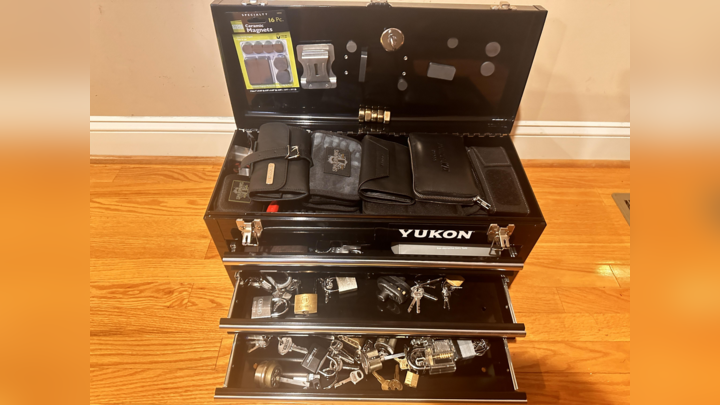
Choose the Right Storage Case
The storage case determines how well your organization system holds up over time. A cheap pouch may work for a small beginner kit, but it can become frustrating once you add more tools.Roll-Up Cases
Roll-up cases are popular because they are compact, lightweight, and easy to lay flat on a work surface. Elastic loops help keep each pick in place, and the case can be stored in a drawer, backpack, or toolbox.They are ideal for:
- Beginner and intermediate sets
- Home practice stations
- Compact travel kits
- Users who prefer visual tool organization
Zip Pouches
A zip pouch provides slightly better protection from dust and accidental spills. Look for one with divided pockets or elastic slots, since a single open compartment can allow tools to rub against each other.They are useful for:
- Daily transport
- Carrying tension tools and small accessories
- Keeping a compact authorized service kit organized
- Separating practice items from other equipment
Hard Cases
Hard cases offer the strongest protection, especially for thin picks and specialized tools. They are less compact but can be worthwhile for professionals, collectors, or anyone carrying equipment in a crowded toolbox or vehicle.They are best for:
- Larger tool collections
- Vehicle-based work kits
- Long-term storage
- Protecting expensive or delicate specialty tools
Build a Separate Practice Kit
One of the best ways to stay organized is to keep a dedicated practice kit instead of constantly moving tools between your main set and training area.A beginner practice kit can include:
- One short hook
- One medium hook
- One basic rake
- A few TOK tension bars
- A few BOK tension wrenches
- One transparent practice lock
- One basic pin tumbler practice lock
- A small notebook for tracking practice observations
- A cleaning cloth
Create a Professional Work Layout
Authorized locksmith work often requires a more structured system than casual practice. The main principle is to separate tools by task, lock type, and frequency of use.A professional layout may include:
- A compact everyday pick case for common authorized service work.
- A separate automotive or decoding tool pouch.
- A dedicated section for Lishi tools and model-specific equipment.
- A maintenance pouch with cloths, lubricants, and inspection items.
- A hard case or toolbox for larger equipment and spare inventory.
- Clearly labeled compartments for replacement parts and accessories.
Inspect and Maintain Your Set Regularly
Organization should include maintenance, not just storage. Every few weeks, take a few minutes to inspect your tools.Check for:
- Bent or twisted pick shafts
- Rough edges or burrs
- Rust, dirt, or residue
- Loose handles
- Missing tension tools
- Worn elastic loops or damaged case stitching
- Items that no longer belong in the kit
Keep an Inventory List
A basic inventory list is especially useful if you own several pick sets or maintain professional equipment. You do not need complicated software. A note on your phone, a printed checklist, or a small card inside the case can work well.Your list could include:
- Tool name and profile
- Quantity
- Condition
- Storage location
- Date last inspected
- Replacement priority
Final Thoughts
The best way to organize a lock pick set is to make it simple, repeatable, and suited to your real needs. Keep hooks, rakes, tension tools, and specialty items in separate sections. Place frequently used tools where they are easiest to reach, protect thin picks with a quality case, and inspect the kit regularly.For beginners, a small and clearly arranged practice set makes learning less overwhelming. For authorized locksmiths, a divided system improves efficiency and helps maintain a professional workflow. In both cases, an organized kit protects your tools and makes every practice session or authorized task easier to manage.
When a pick becomes bent, a tension wrench goes missing, or your case no longer keeps tools protected, it may be time to refresh part of your kit. Barhomevip.com offers cheap lock picking tools, including complete sets and individual accessories, so you can replace only what you need and keep your collection organized.