 Promotion: 5% Discount Code: 5vip





How to Pick a Locker Lock Without a Key – Easy & Safe Methods
2026-03-19 10:52
Locker locks are widely used to protect personal belongings in places like schools, gyms, and workplaces. However, situations such as a lost key, forgotten combination, or a malfunctioning lock can leave you locked out at the worst possible time.
While it’s always recommended to seek help from a professional locksmith or obtain proper authorization, having a basic understanding of how locker locks work can be useful. With the right knowledge and a careful approach, you may be able to handle simple lockout situations safely and responsibly.
Understanding Locker Lock Mechanics
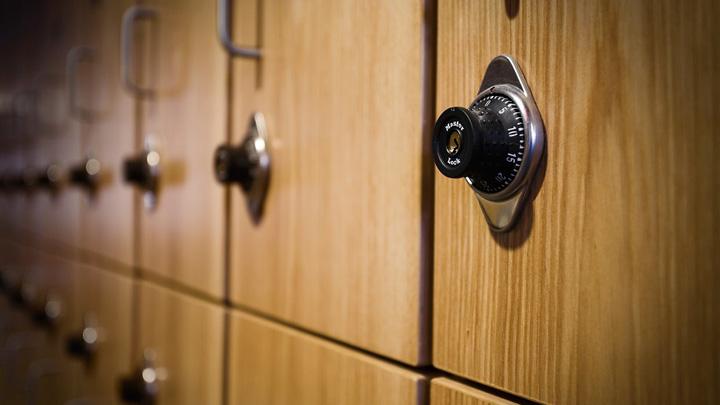
Before attempting to open a lock without a key, it's important to know the type of lock you are dealing with. The two most common locker locks are combination locks and key-based padlocks. Combination locks operate using a rotating dial that aligns internal discs or wheels to a specific sequence. Key-based locks have pins or wafers inside that align when the correct key is inserted.
Knowing the lock type informs the method you can use. For example, techniques used on combination locks generally do not apply to keyed padlocks, and vice versa. Patience and care are critical because applying excessive force can damage both the lock and the locker.
Picking a Key-Based Lock
Key-based locker locks can sometimes be opened using simple tools if you understand how pins inside the lock align. The most common method involves tension and manipulation:
1. Apply Tension: Insert a tension wrench or a flat, sturdy object into the keyhole. Apply gentle rotational pressure in the direction the key would normally turn.
2. Manipulate Pins: Use a small pick or a similarly shaped tool to lift the pins inside the lock. The goal is to raise each pin to the shear line so the cylinder can rotate freely.
3. Feel for Feedback: As you lift pins, you will feel slight clicks. These indicate that a pin has aligned correctly. Continue this process until all pins are set and the lock turns.
It's important to note that lock picking requires patience. Rushing may bend tools or break the lock mechanism. Practicing on a spare lock can help you understand the tactile feedback before attempting to pick a real locker. Barhomevip.com offers high-quality and affordable lock pick tools, ensuring a safe and secure unlocking process.
Opening a Combination Lock
Combination locks use a sequence of numbers to align internal wheels. While it's best to recover the combination, there are methods to discover it if forgotten:
1. Listening and Feeling: Some cheaper combination locks produce subtle clicks or changes in resistance when the correct number aligns. Slowly turning the dial while applying gentle tension can help detect these points.
2. Trial and Error: If the lock has three numbers, methodical testing is possible but time-consuming. Start from zero and rotate through each number sequentially. Keeping notes prevents repeating attempts.
3. Visual Clues: Certain locks may have worn dials or marks that hint at frequently used numbers. Observing these can reduce the possible combinations.
For high-security locks, these techniques may not be effective, and attempting to force the lock can cause permanent damage.
Alternative Approaches
Sometimes, non-picking methods are more practical and safer. These include:
Legal and Safety Considerations
It's crucial to understand that attempting to pick a lock without authorization can be illegal. Always ensure that the locker belongs to you or that you have explicit permission to access it. Practicing on your own locks or training tools is a safe way to learn these skills without violating laws.
Additionally, improper technique can result in injury. Locks have small, sharp components that can pinch fingers or break unexpectedly. Wearing protective gloves and using appropriate tools reduces risk.
Conclusion
Understanding how locker locks function is key to dealing with lockout situations effectively. While basic techniques can be helpful in emergencies, they should always be used responsibly and only on locks you own or have permission to access.
In most cases, the safest and most reliable solution is to contact the lock owner, manufacturer, or a professional locksmith. By approaching the situation with patience, caution, and respect for legal boundaries, you can resolve lock issues efficiently without unnecessary risks.
While it’s always recommended to seek help from a professional locksmith or obtain proper authorization, having a basic understanding of how locker locks work can be useful. With the right knowledge and a careful approach, you may be able to handle simple lockout situations safely and responsibly.
Understanding Locker Lock Mechanics
Before attempting to open a lock without a key, it's important to know the type of lock you are dealing with. The two most common locker locks are combination locks and key-based padlocks. Combination locks operate using a rotating dial that aligns internal discs or wheels to a specific sequence. Key-based locks have pins or wafers inside that align when the correct key is inserted.
Knowing the lock type informs the method you can use. For example, techniques used on combination locks generally do not apply to keyed padlocks, and vice versa. Patience and care are critical because applying excessive force can damage both the lock and the locker.
Picking a Key-Based Lock
Key-based locker locks can sometimes be opened using simple tools if you understand how pins inside the lock align. The most common method involves tension and manipulation:
1. Apply Tension: Insert a tension wrench or a flat, sturdy object into the keyhole. Apply gentle rotational pressure in the direction the key would normally turn.
2. Manipulate Pins: Use a small pick or a similarly shaped tool to lift the pins inside the lock. The goal is to raise each pin to the shear line so the cylinder can rotate freely.
3. Feel for Feedback: As you lift pins, you will feel slight clicks. These indicate that a pin has aligned correctly. Continue this process until all pins are set and the lock turns.
It's important to note that lock picking requires patience. Rushing may bend tools or break the lock mechanism. Practicing on a spare lock can help you understand the tactile feedback before attempting to pick a real locker. Barhomevip.com offers high-quality and affordable lock pick tools, ensuring a safe and secure unlocking process.
Opening a Combination Lock
Combination locks use a sequence of numbers to align internal wheels. While it's best to recover the combination, there are methods to discover it if forgotten:
1. Listening and Feeling: Some cheaper combination locks produce subtle clicks or changes in resistance when the correct number aligns. Slowly turning the dial while applying gentle tension can help detect these points.
2. Trial and Error: If the lock has three numbers, methodical testing is possible but time-consuming. Start from zero and rotate through each number sequentially. Keeping notes prevents repeating attempts.
3. Visual Clues: Certain locks may have worn dials or marks that hint at frequently used numbers. Observing these can reduce the possible combinations.
For high-security locks, these techniques may not be effective, and attempting to force the lock can cause permanent damage.
Alternative Approaches
Sometimes, non-picking methods are more practical and safer. These include:
- Master Keys or Spare Combinations: Contacting the locker provider or manufacturer can provide authorized access.
- Bolt Cutters: For low-security padlocks, bolt cutters can remove the lock entirely. This is destructive but effective if other options fail.
- Locksmith Assistance: A professional locksmith has specialized tools and skills for non-destructive entry. This ensures the lock or locker is not damaged.
Legal and Safety Considerations
It's crucial to understand that attempting to pick a lock without authorization can be illegal. Always ensure that the locker belongs to you or that you have explicit permission to access it. Practicing on your own locks or training tools is a safe way to learn these skills without violating laws.
Additionally, improper technique can result in injury. Locks have small, sharp components that can pinch fingers or break unexpectedly. Wearing protective gloves and using appropriate tools reduces risk.
Conclusion
Understanding how locker locks function is key to dealing with lockout situations effectively. While basic techniques can be helpful in emergencies, they should always be used responsibly and only on locks you own or have permission to access.
In most cases, the safest and most reliable solution is to contact the lock owner, manufacturer, or a professional locksmith. By approaching the situation with patience, caution, and respect for legal boundaries, you can resolve lock issues efficiently without unnecessary risks.