 Promotion: 5% Discount Code: 5vip





Back-to-School Storage Security: How to Protect Lockers, Sheds and Small Valuables
2026-08-13 14:55
Back-to-school season changes the way households store and carry valuables. Students begin using lockers, families bring bicycles and sports gear back into regular use, and sheds or garages fill with tools, lawn equipment, backpacks, electronics, and seasonal supplies. These spaces are easy to overlook because they are not usually the main entrance to a home, but that does not make their contents unimportant.
Good storage security is rarely about one expensive lock. It is about reducing opportunities: keeping valuables out of sight, choosing the right locking setup for the location, recording ownership details, and making sure family members follow the same routine. A locker at school, a garden shed, and a small lockbox each have different risks, so they should not all be protected in the same way.This guide explains practical, lawful ways to protect belongings during the school year while helping you choose the right security habits and storage accessories.
Why Back-to-School Season Is a Good Time for a Security Check
The beginning of a new term often means more movement, more shared spaces, and more valuable items being transported every day. Laptops, tablets, headphones, sports equipment, instruments, bicycles, and keys may be left in lockers, cars, garages, or sheds for long periods.It is also a practical time to inspect locks that have not been used much over summer. A padlock that has been sitting outdoors may have corrosion, a locker combination may be shared too widely, or a shed door may have a loose hinge or worn hasp. Fixing these simple issues early is usually easier than dealing with lost property later.
Police security guidance consistently recommends combining strong locks with other measures such as lighting, alarms, secured access points, property marking, and keeping valuables hidden. For example, Avon and Somerset Police advises owners to use high-security locks and chains for valuable equipment, consider alarms, and check that insurance covers items stored in a garage or shed. Read its shed and garage security advice.
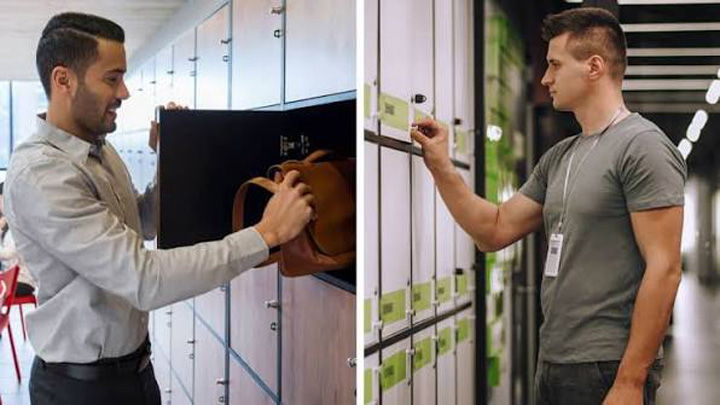
The First Rule: Match the Security to the Storage Location
A locker, shed, and small valuables box each need a different approach. A school locker is used frequently and may be in a public shared environment. A shed is more exposed to weather and may contain multiple items of value. A lockbox may protect smaller essentials but can only be effective if it is appropriately located and used.| Storage location | Common valuables | Main risk | Practical security focus |
| School locker | Books, sports gear, headphones, keys, small electronics | Shared access area, forgotten combinations, unsecured items left outside | Use the school-approved lock, do not share access details, take high-value electronics with you |
| Shed or garage | Bikes, power tools, garden equipment, sports gear | Forced entry, poor visibility, tools being used to create further access | Reinforce doors, use quality locks, anchor high-value items, add lighting and an alarm |
| Bedroom or dorm storage | Documents, spare keys, small electronics, sentimental valuables | Casual access by visitors or roommates | Use a discreet lockable box, keep an inventory, avoid leaving items in plain sight |
| Vehicle during school runs | Backpack, laptop, instrument, sports kit | Theft from view, rushed parking routines | Remove items when possible, store them out of sight, park in a well-lit visible place |
| Gym, club, or activity locker | Phone, wallet, clothing, keys | Short-term unattended storage | Keep only essentials inside and use venue-approved lockers or locks |
School Locker Security: Build Better Daily Habits
A locker can be helpful, but it should not become a permanent storage unit for expensive possessions. Students often leave items behind because they are trying to move quickly between classes, activities, and transport. A few clear habits can reduce the risk.Smart locker habits for students
Use only the lock allowed or supplied by the school. Some schools require specific lock types for safety, emergency access, or locker maintenance.- Keep combinations, keys, and digital access codes private. Do not share them casually with classmates.
- Close and check the locker after each use. A door that looks shut may not be properly latched.
- Avoid storing cash, passports, expensive jewellery, or high-value electronics in a locker for long periods.
- Keep names, home addresses, passwords, and identity documents out of visible pockets in bags.
- Take a quick photo or make a list of expensive items carried to school, especially musical instruments, tablets, or sports equipment.
- Report a damaged door, broken latch, or suspected tampering to school staff instead of trying to repair it yourself.
Shed and Garage Security: Protect the Building and the Contents
Sheds and garages are often treated as secondary spaces, but they can contain surprisingly valuable property. Bicycles, lawnmowers, tool kits, sports equipment, ladders, and power tools can add up quickly. More importantly, unsecured garden tools can potentially be used to damage or access other parts of a property.A secure shed starts with the structure itself. A quality padlock does not solve the problem if the hasp, hinges, door frame, or shed base are weak. Check the entire setup before buying any new hardware.
Shed and garage security checklist
- Check that the door, frame, walls, hinges, and lock fittings are in sound condition.
- Use a suitable, weather-resistant, closed-shackle padlock where appropriate.
- Make sure hasps and staples are firmly attached using suitable tamper-resistant fittings.
- Keep expensive items out of sight from windows. Covering windows or using internal screening can reduce temptation.
- Secure bicycles, tools, and larger equipment to a fixed wall or ground anchor with a suitable chain or cable.
- Lock away ladders and hand tools. They should not be left where they could assist someone trying to access the home.
- Keep side gates, rear gates, and garage doors closed and locked.
- Consider motion-activated or dusk-to-dawn lighting around vulnerable areas.
- Consider an audible shed alarm or extending an existing home alarm system to the outbuilding.
- Photograph valuables, record serial numbers, and mark property in a way that helps identify the owner.
- Review household insurance and confirm that the value and location of stored items are covered.
Protecting Small Valuables at Home
Small valuables are easy to misplace and easy to carry away. This includes spare keys, passports, jewellery, USB drives, cameras, gaming handhelds, gift cards, documents, and family keepsakes.A lockable storage box can help with organization and privacy, but where you keep it matters. Avoid obvious locations, such as a bedside table, and do not treat a small portable box as the only protection for high-value possessions. For particularly important documents or valuables, consider a more substantial security solution and check whether it meets relevant safety or insurance needs.
UL Solutions notes that safes, lockboxes, hotel safes, and other anti-theft products can be assessed against performance and durability standards. That does not mean every household needs a certified safe, but it is a useful reminder to look beyond appearance when buying storage protection. Learn about UL's anti-theft device testing. Learn about UL’s anti-theft device testing.
A practical small-valuables system
- Separate items by importance. Daily-use items, emergency documents, sentimental items, and high-value electronics should not all be stored together.
- Keep a private inventory. Record serial numbers, purchase dates, photos, and identifying details.
- Avoid visible labels. A box marked “Jewellery” or “Important Documents” advertises its contents.
- Keep spare keys controlled. Know exactly who has one and update the list after moving house or changing household arrangements.
- Back up essential documents securely. A protected digital copy can reduce the damage caused by physical loss.
- Review the system every school term. This catches forgotten keys, outdated records, and items that no longer belong in accessible storage.
Do Not Forget Bikes, Sports Gear, and Instruments
Back-to-school storage is not limited to books and electronics. Bicycles, scooters, sports equipment, musical instruments, and activity bags often move between home, school, practice, and public spaces. These are easy targets when they are left unattended “for just a minute.”For bicycles and larger equipment stored at home, use a fixed anchor point where possible. Police guidance also recommends keeping rear and side access controlled, using lighting, and marking property to help establish ownership if an item is recovered. South Wales Police's garden-security advice highlights the importance of locked gates, secure sheds, and not leaving tools outside.
For students who carry an instrument or expensive sports gear, the simplest rule is: do not leave it in an unlocked car, unattended hallway, or open locker. Plan the route from school to home, and make sure the item is collected before other after-school activities begin.
Create a Family Storage-Security Routine
Security works best when it becomes a routine rather than an occasional reaction. A ten-minute check once a week can make a meaningful difference.Try this back-to-school routine:
- Sunday evening: confirm school bags, keys, and equipment are ready.
- After outdoor work: return tools, ladders, and bikes to secured storage immediately.
- Before bed: check exterior doors, shed doors, garage doors, and side gates.
- Once a month: inspect padlocks, hinges, latches, lights, and alarms.
- Once per term: update the inventory of valuable equipment and review insurance coverage.
The most effective approach is layered protection. Use suitable locks, but also reduce visibility, control access, secure valuables to fixed points where appropriate, and keep reliable ownership records. Whether you are protecting a school locker, a family shed, or a small collection of important belongings, these practical steps create a safer routine for the new school year.