 Promotion: 5% Discount Code: 5vip





Lock Pick Set Buying Guide: What to Look For Before Purchasing
2025-08-07 11:27
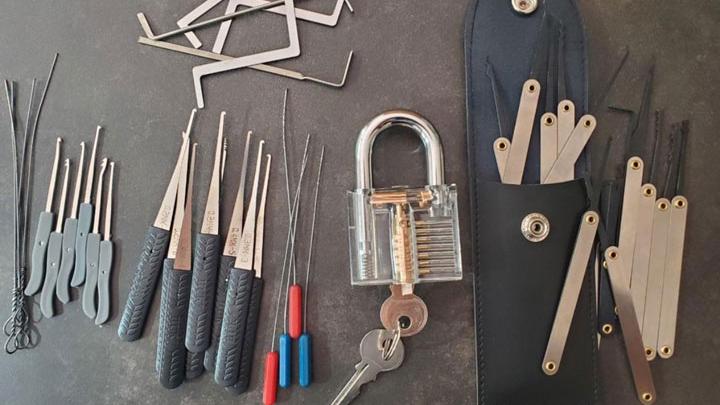
With so many options on the market, understanding what actually matters—such as tool quality, variety, and intended use—can help you avoid common mistakes and invest in a set that truly fits your needs.
1. Understand the Purpose of Your Purchase
Before buying a lock pick set, clarify why you need it. Are you a beginner looking to learn basic lock picking techniques, a professional locksmith needing specialized tools, or a hobbyist seeking to improve skills on various locks?
- Beginners: Should focus on simple, affordable sets with essential tools like hooks, rakes, and tension wrenches.
- Professionals: Require a more extensive set, often including advanced picks for high-security locks, tubular locks, and automotive lock systems.
- Hobbyists: May want a balanced set that offers both variety and durability for practicing different lock types.
2. Know the Legal Restrictions
Lock picking tools are legal to own in many countries, but laws vary significantly by region. Some states or countries classify possession of a lock pick set as intent to commit a crime unless you're a licensed locksmith.
Research regulations in your area before purchasing. If you plan to travel with your set, ensure you understand transportation rules to avoid legal trouble. Ignoring these restrictions could lead to fines or confiscation of your tools.
3. Quality of Materials
The material of a lock pick set greatly impacts its performance and lifespan. Poorly made tools can bend or break easily, making them ineffective.
- Stainless Steel: The most recommended material, offering durability, resistance to rust, and good flexibility.
- High-Carbon Steel: Strong and reliable, but may require more maintenance to prevent corrosion.
- Plastic Handles: Can offer better grip but may not last as long as metal-handled picks.
4. Variety of Tools in the Set
A complete lock pick set should include several essential tools to handle different types of locks. At minimum, look for:
- Tension Wrenches: Crucial for applying torque to the lock's plug.
- Hooks: For single pin picking, giving precise control over individual pins.
- Rakes: Such as the snake rake or city rake, designed for faster picking of simpler locks.
- Half-Diamond Picks: Useful for a range of tasks including wafer and disc tumbler locks.
5. Ergonomic Design and Comfort
Lock picking requires fine motor skills and patience. A good lock pick set should feel comfortable during prolonged use.
- Handle Grip: Look for textured or rubber-coated handles for better grip and reduced strain.
- Tool Thickness: Thinner picks (0.015–0.023 inches) are ideal for precision work, while thicker picks (0.025 inches or more) offer durability for tighter locks.
- Flexibility: Tools should not be too rigid or too soft; a balanced springiness is key for effective picking.
6. Price vs. Value
Price doesn't always equal quality. Beginners don't need expensive professional kits, but very cheap sets often lack durability and precision.
- Entry-Level Sets: $20–$40, sufficient for learning basics.
- Mid-Range Sets: $50–$100, offering better quality and a wider selection of picks.
- Professional Sets: $100+, including advanced tools and specialized picks.
7. Additional Training Tools
For effective learning and practice, consider sets that include or are compatible with:
- Transparent Practice Locks: Allows you to see pin movement as you pick.
- Lock Picking Guides or Tutorials: Helpful for beginners.
- Carrying Case: Keeps tools organized and portable.
Conclusion
Selecting the right lock pick set is about understanding your goals, choosing reliable tools, and ensuring long-term usability. By focusing on quality, comfort, and practicality, you can build a toolkit that supports both learning and real-world application. A well-chosen set not only improves efficiency but also makes the entire lock picking process more enjoyable and rewarding.