 Promotion: 5% Discount Code: 5vip





Simple Tips to Prevent Car Door Lock Damage and Extend Lock Life
2026-02-10 14:03
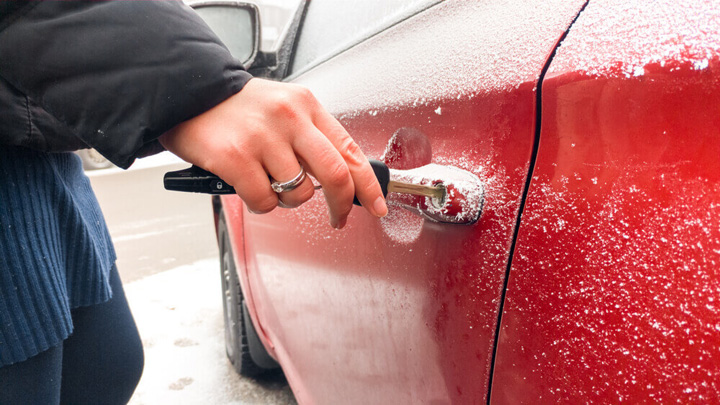
Car door locks are small components that often go unnoticed—until they stop working properly. A jammed, stiff, or damaged lock can quickly become both frustrating and costly to fix. Although modern vehicles rely heavily on remote entry systems and smart keys, traditional mechanical locks remain essential, especially in unexpected situations.
With proper care and a few simple preventive measures, you can significantly extend the lifespan of your car door locks and reduce the risk of inconvenient breakdowns or expensive repairs.
1. Keep the Lock Clean and Free of Debris
One of the most common causes of lock damage is dirt buildup. Over time, dust, sand, moisture, and road debris can enter the keyhole and internal mechanism. When contaminants accumulate, they increase friction inside the lock cylinder, making it harder to insert or turn the key.
To prevent this, inspect the keyhole periodically. If you notice grime or stiffness, use a proper lock-safe lubricant designed for automotive use. Avoid oil-based products that attract dust. A quick maintenance routine every few months can keep the internal pins moving smoothly.
2. Avoid Forcing the Key
If your key doesn't turn easily, never force it. Applying excessive pressure can bend the key or damage the internal pins. Many lock failures occur because drivers try to “push through” resistance.
Instead, gently remove the key and check for debris or ice buildup. If the issue persists, address the root cause rather than forcing the mechanism. Preventive care is always cheaper than replacing a damaged lock cylinder.
3. Protect Against Extreme Weather
Temperature fluctuations can affect lock performance. In cold climates, moisture inside the lock may freeze, preventing the key from turning. Repeated attempts to force a frozen lock often lead to internal damage.
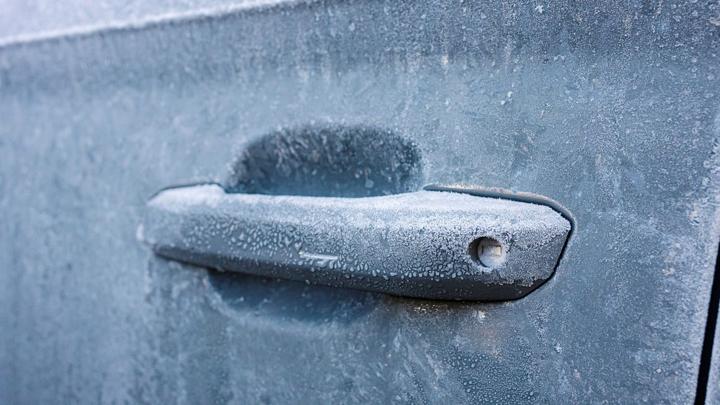
To reduce weather-related problems:
- Park in covered areas whenever possible.
- Use protective lock caps if your vehicle design allows it.
- Apply moisture-repelling lubricants before winter seasons.
- Keep a lock de-icer in your emergency kit.
Heat and humidity can also contribute to corrosion. Regular inspection and cleaning are especially important if you live in coastal or high-humidity areas.
4. Use Proper Tools in Emergencies
In emergency situations—such as accidental lockouts—improper tools can cause serious damage to your car door lock and surrounding components. Many people resort to makeshift objects like wire hangers or screwdrivers, which often scratch paint, bend seals, or break internal parts.
If you frequently handle vehicle maintenance or want to be prepared for lock-related emergencies, it is wise to invest in proper automotive tools. You can buy Car Lockout Kit at barhomevip.com to ensure you are using equipment specifically designed for safe and professional automotive access. Using the correct tools significantly reduces the risk of damaging sensitive locking mechanisms.
5. Keep Your Key in Good Condition
A worn or bent key can damage the lock over time. If the edges of your key appear rounded or if the key feels loose inside the lock, consider getting a replacement before problems arise. A damaged key places uneven pressure on internal components and accelerates wear.
Additionally, avoid attaching overly heavy keychains to your car key. Excess weight can strain the ignition cylinder and door locks, especially while driving.
6. Test the Lock Periodically
Even if you primarily rely on remote entry, test the manual key function occasionally. Many drivers neglect the physical lock for years, only to discover it no longer works when the battery in the remote dies.
Periodic testing ensures that the mechanism remains functional and alerts you to early signs of stiffness or resistance. Early detection allows for simple maintenance rather than full replacement.
7. Address Problems Early
Strange noises, grinding sensations, or inconsistent locking behavior are warning signs. Ignoring these symptoms can lead to complete lock failure. If you notice anything unusual, consult a professional technician before the issue worsens.
Professional servicing is far less expensive than replacing a damaged door assembly or dealing with a lockout situation in an inconvenient location.
Conclusion
Car door locks may seem simple, but they are precision mechanisms that depend on proper maintenance to function reliably. Keeping the lock clean, avoiding unnecessary force, protecting it from harsh weather, and using the right tools when needed can greatly reduce the risk of damage.
Regular preventive care not only helps you avoid costly repairs but also ensures your vehicle remains accessible and dependable when it matters most.