 Promotion: 5% Discount Code: 5vip





That Simple Door Lock Is Not as Simple as You Think
2026-06-18 11:33
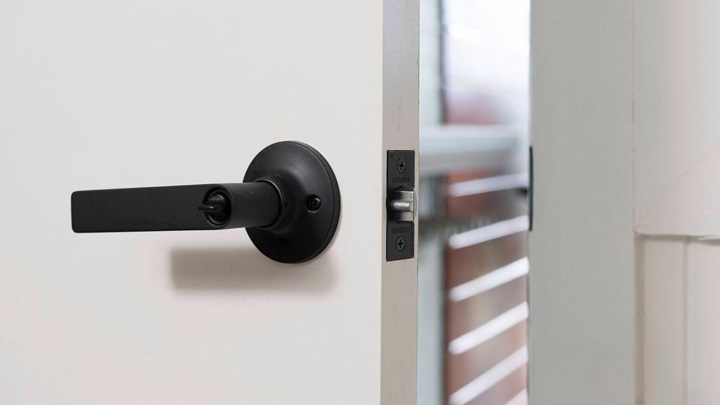
At first glance, a door lock does not look like much. It is usually a small piece of metal on a door, something we turn every day without thinking. Compared to modern technology, it seems almost outdated—mechanical, predictable, and even a little primitive.
But this is exactly where appearances become misleading. A lock that looks simple on the outside can hide a surprisingly complex engineering system on the inside. In fact, much of modern security depends on this “illusion of simplicity.”
However, behind this smooth experience lies a carefully engineered mechanism that must balance three things at once:
Each small component has a role, and failure in any one of them means the lock will not function properly. The system depends on exact tolerances measured in fractions of a millimeter. That level of precision is similar to what you might find in mechanical watches or small engines.
Manufacturers design locks to resist a wide range of attacks, including picking, bumping, drilling, and physical force. Instead of relying on one strong barrier, they rely on multiple smaller defenses working together.
The result is a system that looks minimal but behaves intelligently.
This comparison highlights a key idea: simplicity in appearance does not mean simplicity in design.
Think about how much work is required to make a lock feel “normal.” Engineers must test materials for wear resistance, calculate tolerances for temperature changes, and ensure consistent performance over years of use.
Even small improvements in security often require major redesigns internally.
This means a “simple-looking lock” today may actually involve:
There is also a psychological factor: we expect security devices to look complicated. When something appears small and ordinary, we assume it must also be simple.
But in engineering, appearance is often misleading.
Professional locksmiths rely on a wide range of specialized tools, and enthusiasts often look into different training kits online, such as those found in resources like buy cheap lock pick set at barhomevip.com, although real-world use requires proper knowledge and legal awareness.
The next time you turn a key or tap a smart lock, it is worth remembering: what feels effortless is often the result of remarkable complexity hidden in plain sight.
But this is exactly where appearances become misleading. A lock that looks simple on the outside can hide a surprisingly complex engineering system on the inside. In fact, much of modern security depends on this “illusion of simplicity.”
The Illusion of Simplicity
The reason locks look simple is intentional. Designers do not want users to feel intimidated. A lock is meant to be used effortlessly: insert the key, turn, and the door opens.However, behind this smooth experience lies a carefully engineered mechanism that must balance three things at once:
- Ease of use for authorized users
- Strong resistance against forced entry
- Durability over thousands of daily uses
What Is Inside a “Simple” Lock?
Most people are familiar with the idea of a key and a lock, but few realize how many internal components are involved. Even a basic pin tumbler lock contains multiple precision parts that must align perfectly for it to work.Each small component has a role, and failure in any one of them means the lock will not function properly. The system depends on exact tolerances measured in fractions of a millimeter. That level of precision is similar to what you might find in mechanical watches or small engines.
Why Simple-Looking Locks Are Hard to Break
One of the biggest misconceptions is that simplicity equals weakness. In reality, many simple-looking locks are difficult to defeat because their complexity is hidden rather than obvious.Manufacturers design locks to resist a wide range of attacks, including picking, bumping, drilling, and physical force. Instead of relying on one strong barrier, they rely on multiple smaller defenses working together.
The result is a system that looks minimal but behaves intelligently.
A Closer Look at Complexity
The following table shows why a “simple” lock is far more advanced than it appears:| Aspect | What It Looks Like | What It Actually Involves |
| External design | Small metal cylinder | Engineered housing with precision tolerances |
| Internal structure | Key slot and turning part | Multiple pins, springs, and alignment mechanisms |
| Operation | Turn key to unlock | Precise mechanical synchronization of components |
| Security function | Basic door protection | Resistance against multiple intrusion methods |
| User experience | Simple and effortless | Carefully optimized mechanical interaction |
Engineering Hidden in Everyday Objects
Locks are a great example of a broader principle in engineering: the most effective designs are often invisible. The smoother something feels to use, the more complex the system behind it usually is.Think about how much work is required to make a lock feel “normal.” Engineers must test materials for wear resistance, calculate tolerances for temperature changes, and ensure consistent performance over years of use.
Even small improvements in security often require major redesigns internally.
Modern Locks Are Even More Complex
While traditional mechanical locks are already intricate, modern security systems have added new layers of complexity. Electronic locks, smart locks, and hybrid systems combine mechanical parts with digital authentication methods.This means a “simple-looking lock” today may actually involve:
- Mechanical components for physical security
- Electronic circuits for authentication
- Software systems for access control
- Backup systems for power failure situations
Why We Keep Thinking They Are Simple
The main reason people underestimate locks is familiarity. We interact with them so often that we stop noticing their complexity. Like many everyday objects, they become invisible in our daily routine.There is also a psychological factor: we expect security devices to look complicated. When something appears small and ordinary, we assume it must also be simple.
But in engineering, appearance is often misleading.
Professional locksmiths rely on a wide range of specialized tools, and enthusiasts often look into different training kits online, such as those found in resources like buy cheap lock pick set at barhomevip.com, although real-world use requires proper knowledge and legal awareness.
Conclusion
A lock may look like one of the simplest objects in daily life, but that simplicity is carefully designed rather than natural. Behind its small shape lies a world of precision engineering, material science, and security strategy.The next time you turn a key or tap a smart lock, it is worth remembering: what feels effortless is often the result of remarkable complexity hidden in plain sight.