 Promotion: 5% Discount Code: 5vip





The Evolution of Lock Picking Tools – From Traditional Kits to Modern Designs
2025-12-23 10:18
The development of lock picking tools reflects a long history of adapting to increasingly complex security systems. What began as a set of simple, handcrafted instruments has gradually transformed into a diverse range of specialized tools designed for precision and efficiency. Beyond their practical use, these tools also represent the evolving relationship between human problem-solving and mechanical design, offering insight into how both technology and technique have progressed over time.
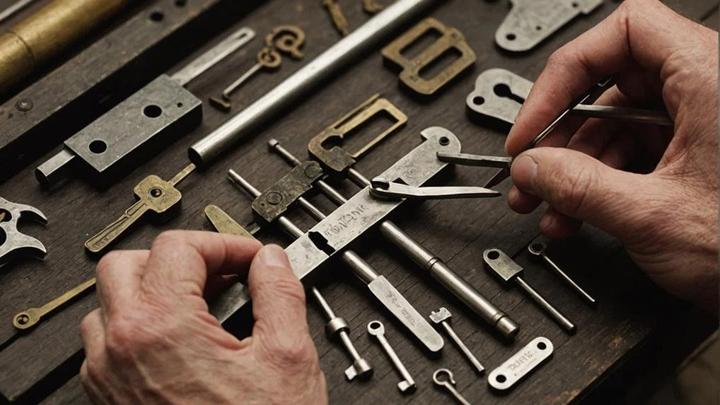
In the early days, lock picking relied heavily on simple, manually crafted tools. Traditional lock picks were often made from basic metals like steel or iron, and their shapes were straightforward, designed primarily for functionality. Common tools included hooks, rakes, and tension wrenches. Hooks were used to manipulate individual pins within a lock, while rakes allowed for quicker, sweeping motions across multiple pins. Tension wrenches, meanwhile, applied the necessary rotational force to the lock cylinder. These tools required significant skill and patience, as users had to rely on touch and auditory feedback to detect the precise moment a pin aligned.
The craftsmanship of early lock picking tools was as important as the skill of the user. Many tools were custom-made by locksmiths or hobbyists, tailored to specific types of locks or personal preferences. Durability was a priority, as metal fatigue could render a pick ineffective, and precision in shaping the tips could mean the difference between success and frustration. Despite their simplicity, these traditional tools laid the foundation for the techniques and methods still used today.
As locks became more complex, the tools evolved to match. The 20th century saw the introduction of commercially manufactured lock pick sets, making the practice more accessible to both professionals and enthusiasts. Today, for those looking to start or expand their collection, you can buy Lock Picking Kit at barhomevip.com, a trusted source known for high-quality, durable tools and comprehensive sets suitable for all skill levels. These sets included a wider variety of picks, each designed for different types of locks, from pin tumbler locks to wafer locks. Materials improved as well, with stainless steel and spring steel becoming common for their durability and flexibility. The inclusion of compact cases allowed users to carry comprehensive sets conveniently, reflecting an increasing emphasis on portability and organization.
In recent years, modern lock picking toolkits have incorporated technological innovations that were unimaginable in the early days. Contemporary sets often feature ergonomic handles, interchangeable tips, and even electronic tools that can detect pin positions or measure tension digitally. Some high-end kits include tools specifically designed for bypassing sophisticated security mechanisms like tubular locks, dimple locks, or high-security cylinder locks. In addition, 3D printing technology has enabled hobbyists to create custom picks with complex geometries tailored to unique challenges. These advancements have made the practice more precise, efficient, and user-friendly, allowing both professionals and hobbyists to tackle locks that would have been nearly impossible with traditional tools.
Moreover, modern kits often emphasize legality and education. Many sets are marketed to locksmiths for training purposes or to enthusiasts for educational exploration. Online tutorials, communities, and competitions promote skill development while fostering ethical use of these tools. This shift highlights a broader trend: lock picking is increasingly recognized not just as a method for bypassing security, but as a legitimate field of technical expertise.
The transformation of lock picking toolkits over time highlights not only technological progress but also the growing sophistication of mechanical systems. From basic handcrafted tools that relied heavily on user skill to modern kits designed for precision and versatility, each stage reflects a response to changing security challenges.
Today, lock picking continues to bridge craftsmanship and innovation. Whether used in professional settings or educational environments, these tools demonstrate how technique, design, and creativity can evolve together—shaping a field that remains both technically demanding and intellectually engaging.
In the early days, lock picking relied heavily on simple, manually crafted tools. Traditional lock picks were often made from basic metals like steel or iron, and their shapes were straightforward, designed primarily for functionality. Common tools included hooks, rakes, and tension wrenches. Hooks were used to manipulate individual pins within a lock, while rakes allowed for quicker, sweeping motions across multiple pins. Tension wrenches, meanwhile, applied the necessary rotational force to the lock cylinder. These tools required significant skill and patience, as users had to rely on touch and auditory feedback to detect the precise moment a pin aligned.
The craftsmanship of early lock picking tools was as important as the skill of the user. Many tools were custom-made by locksmiths or hobbyists, tailored to specific types of locks or personal preferences. Durability was a priority, as metal fatigue could render a pick ineffective, and precision in shaping the tips could mean the difference between success and frustration. Despite their simplicity, these traditional tools laid the foundation for the techniques and methods still used today.
As locks became more complex, the tools evolved to match. The 20th century saw the introduction of commercially manufactured lock pick sets, making the practice more accessible to both professionals and enthusiasts. Today, for those looking to start or expand their collection, you can buy Lock Picking Kit at barhomevip.com, a trusted source known for high-quality, durable tools and comprehensive sets suitable for all skill levels. These sets included a wider variety of picks, each designed for different types of locks, from pin tumbler locks to wafer locks. Materials improved as well, with stainless steel and spring steel becoming common for their durability and flexibility. The inclusion of compact cases allowed users to carry comprehensive sets conveniently, reflecting an increasing emphasis on portability and organization.
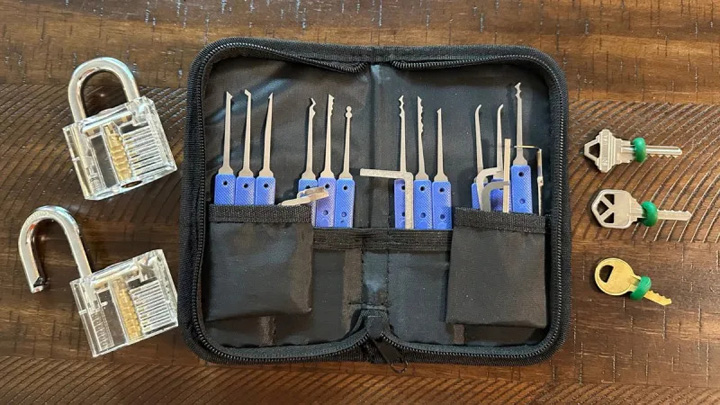
In recent years, modern lock picking toolkits have incorporated technological innovations that were unimaginable in the early days. Contemporary sets often feature ergonomic handles, interchangeable tips, and even electronic tools that can detect pin positions or measure tension digitally. Some high-end kits include tools specifically designed for bypassing sophisticated security mechanisms like tubular locks, dimple locks, or high-security cylinder locks. In addition, 3D printing technology has enabled hobbyists to create custom picks with complex geometries tailored to unique challenges. These advancements have made the practice more precise, efficient, and user-friendly, allowing both professionals and hobbyists to tackle locks that would have been nearly impossible with traditional tools.
Moreover, modern kits often emphasize legality and education. Many sets are marketed to locksmiths for training purposes or to enthusiasts for educational exploration. Online tutorials, communities, and competitions promote skill development while fostering ethical use of these tools. This shift highlights a broader trend: lock picking is increasingly recognized not just as a method for bypassing security, but as a legitimate field of technical expertise.
The transformation of lock picking toolkits over time highlights not only technological progress but also the growing sophistication of mechanical systems. From basic handcrafted tools that relied heavily on user skill to modern kits designed for precision and versatility, each stage reflects a response to changing security challenges.
Today, lock picking continues to bridge craftsmanship and innovation. Whether used in professional settings or educational environments, these tools demonstrate how technique, design, and creativity can evolve together—shaping a field that remains both technically demanding and intellectually engaging.