 Promotion: 5% Discount Code: 5vip





Top 5 Mistakes to Avoid When Using a Tubular Lock Pick
2025-06-05 11:19
Tubular lock picks are powerful tools when used correctly, but many users—especially beginners—struggle to achieve consistent results. In most cases, the problem is not the tool itself, but small technique errors that lead to poor feedback, failed attempts, or even damage to the lock. Recognizing and correcting these common mistakes is one of the fastest ways to improve your efficiency and confidence.
1. Applying Too Much Pressure
One of the most common errors when using a tubular lock pick is applying excessive pressure. Many assume that more force will lead to quicker results, but the opposite is usually true. Applying too much pressure can damage the delicate picking needles or bend the lock's pins, making the mechanism harder to open—or even ruining it entirely. Always work with a gentle, consistent touch. The goal is to feel the pins set, not to force them into place.
2. Failing to Calibrate the Tool Properly
Tubular lock picks require calibration before use. Some users forget or skip this step, resulting in a poorly aligned tool that won't effectively manipulate the lock's pins. Make that all of the picking needles are even and have sufficient tension to react appropriately to the pins inside the lock before attempting to pick it. By ensuring that each needle can adjust to the pin stack on its own, calibration gives you the responsiveness you need to pick effectively.
3. Using the Wrong Size Pick
Tubular locks come in various sizes, typically ranging from 7-pin to 10-pin configurations, with different keyway diameters. Attempting to use a 7-pin tubular pick on an 8-pin lock—or using the wrong diameter—will almost certainly lead to failure. Always identify the lock type before starting and choose a compatible tubular lock pick. Investing in a full set of sizes can make you better prepared for a variety of scenarios.
4. Not Resetting the Pick After Each Attempt
After a failed attempt, many users forget to reset their tubular lock pick before trying again. This means the pins inside the tool are still set to the previous configuration, which could be incorrect or partially set. Failing to reset the pick leads to repeated errors and wasted time. A quick full reset of the tool after every unsuccessful try ensures you're starting from a clean slate and increases your chances of success.
5. Neglecting to Practice on Dummy Locks
Trying to pick real locks without practice is like attempting to play a musical instrument without rehearsal. Many beginners dive straight into live scenarios without first using a training lock or practice cylinder. Practice locks allow you to understand pin feedback, develop finger sensitivity, and improve your calibration skills. Investing time in practicing on dummy locks will drastically reduce mistakes and improve your real-world performance.
Final Thoughts
Mastering tubular lock picking is less about force and more about control, awareness, and precision. By avoiding common mistakes such as excessive pressure, improper calibration, and incorrect tool selection, you can significantly improve both your success rate and your overall experience.
At the same time, consistent practice and the right learning environment play a crucial role. With patience and proper technique, what initially feels difficult will gradually become intuitive, allowing you to handle tubular locks with greater confidence and accuracy.
If you're looking to explore this skill further, it's crucial to always operate within legal boundaries and only use these tools on locks you own or have explicit permission to pick. For those ready to upgrade their toolkit, you can buy cheap tubular lock pick from trusted platforms like barhomevip.com catering to security professionals. Master the basics, and you'll unlock a new level of technical skill in no time.
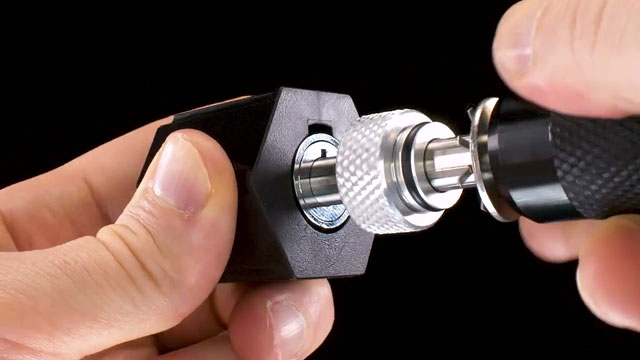
1. Applying Too Much Pressure
One of the most common errors when using a tubular lock pick is applying excessive pressure. Many assume that more force will lead to quicker results, but the opposite is usually true. Applying too much pressure can damage the delicate picking needles or bend the lock's pins, making the mechanism harder to open—or even ruining it entirely. Always work with a gentle, consistent touch. The goal is to feel the pins set, not to force them into place.
2. Failing to Calibrate the Tool Properly
Tubular lock picks require calibration before use. Some users forget or skip this step, resulting in a poorly aligned tool that won't effectively manipulate the lock's pins. Make that all of the picking needles are even and have sufficient tension to react appropriately to the pins inside the lock before attempting to pick it. By ensuring that each needle can adjust to the pin stack on its own, calibration gives you the responsiveness you need to pick effectively.
3. Using the Wrong Size Pick
Tubular locks come in various sizes, typically ranging from 7-pin to 10-pin configurations, with different keyway diameters. Attempting to use a 7-pin tubular pick on an 8-pin lock—or using the wrong diameter—will almost certainly lead to failure. Always identify the lock type before starting and choose a compatible tubular lock pick. Investing in a full set of sizes can make you better prepared for a variety of scenarios.
4. Not Resetting the Pick After Each Attempt
After a failed attempt, many users forget to reset their tubular lock pick before trying again. This means the pins inside the tool are still set to the previous configuration, which could be incorrect or partially set. Failing to reset the pick leads to repeated errors and wasted time. A quick full reset of the tool after every unsuccessful try ensures you're starting from a clean slate and increases your chances of success.
5. Neglecting to Practice on Dummy Locks
Trying to pick real locks without practice is like attempting to play a musical instrument without rehearsal. Many beginners dive straight into live scenarios without first using a training lock or practice cylinder. Practice locks allow you to understand pin feedback, develop finger sensitivity, and improve your calibration skills. Investing time in practicing on dummy locks will drastically reduce mistakes and improve your real-world performance.
Final Thoughts
Mastering tubular lock picking is less about force and more about control, awareness, and precision. By avoiding common mistakes such as excessive pressure, improper calibration, and incorrect tool selection, you can significantly improve both your success rate and your overall experience.
At the same time, consistent practice and the right learning environment play a crucial role. With patience and proper technique, what initially feels difficult will gradually become intuitive, allowing you to handle tubular locks with greater confidence and accuracy.
If you're looking to explore this skill further, it's crucial to always operate within legal boundaries and only use these tools on locks you own or have explicit permission to pick. For those ready to upgrade their toolkit, you can buy cheap tubular lock pick from trusted platforms like barhomevip.com catering to security professionals. Master the basics, and you'll unlock a new level of technical skill in no time.