 Promotion: 5% Discount Code: 5vip





What Common Applications Are Tubular Locks Used?
2025-06-18 16:19
Tubular locks are widely used across many everyday devices, often going unnoticed despite their unique design. Their compact structure and circular pin system make them a practical choice for applications where space efficiency and moderate security are required.
Understanding Tubular Lock Mechanisms
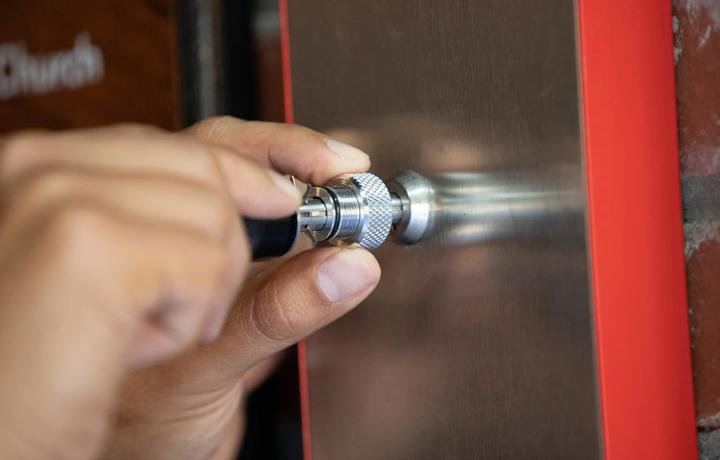
Unlike conventional pin tumbler locks, tubular locks feature pins that radiate in a circle around the keyway. They require a uniquely shaped key—or a tubular pick—to turn the inner mechanism. This setup originally gained traction due to its unusual layout, making it harder for basic picking tools to defeat, though that advantage has lessened with the introduction of specialized picks.
Everyday Devices That Use Tubular Locks
1. Vending Equipment
Many vending units rely on tubular locks to protect cash compartments or inventory areas. Their compact size and decent pick resistance make them suitable for machines placed in public spaces—such as snack, soda, or coin-exchange machines.
2. Shared Mobility Devices
Rental-based transportation tools like e-scooters and shared electric bicycles frequently employ tubular locks to secure batteries or locking features. Privately owned e-bikes may also use these locks for wheel or frame protection.
3. Tech Cabinets and Server Racks
Server rooms and IT enclosures often use tubular locking systems for physical security. Locking laptop trolleys or access panels in office furniture may also be fitted with this lock type.
4. Banking Machines and Digital Kiosks
ATM machines and service kiosks are equipped with tubular locks for maintenance and internal access panels, offering a balance between convenience and tamper-resistance.
5. Safety Gear Boxes
You'll sometimes find tubular locks on fire safety equipment cabinets or alarm boxes to deter unauthorized use or accidental tampering by the public.
Best Practices for Ethical and Legal Use
Learning to work with tubular locks should always come with an understanding of boundaries—both legal and moral. Here are key principles to follow:
1. Stick to Locks You Legally Own or Are Permitted to Access
Engaging with locks you don't personally own or lack permission to handle is illegal in most areas. Always practice on legally acquired or training-specific equipment.
2. Train with Certified Tools
Begin your learning using purpose-built training locks and quality tools. Never test your skills on active devices like vending machines or e-bikes without clear consent.
3. Maintain Documentation if You're a Professional
Licensed locksmiths and certified technicians should keep valid credentials handy. These documents validate your access to lock tools and reduce potential legal complications.
4. Know the Law in Your Region
The legality of lockpick tools varies widely by country or state. Some regions require a locksmith license, while others evaluate legality based on intent. Research local laws before acquiring or using tubular picks.
Conclusion
Tubular locks play an important role in securing a wide range of everyday devices, from vending machines to technical equipment. Their design offers a balance between compactness and functionality, making them suitable for many practical applications.
Understanding where these locks are used and how they work helps build a stronger foundation in mechanical security. With the right knowledge, tools, and responsible approach, learners and professionals alike can develop their skills while respecting legal and ethical boundaries.
Ready to start learning? Make sure to buy tubular lock pick at barhomevip.com for safe and professional-grade practice tools.
Understanding Tubular Lock Mechanisms
Unlike conventional pin tumbler locks, tubular locks feature pins that radiate in a circle around the keyway. They require a uniquely shaped key—or a tubular pick—to turn the inner mechanism. This setup originally gained traction due to its unusual layout, making it harder for basic picking tools to defeat, though that advantage has lessened with the introduction of specialized picks.
Everyday Devices That Use Tubular Locks
1. Vending Equipment
Many vending units rely on tubular locks to protect cash compartments or inventory areas. Their compact size and decent pick resistance make them suitable for machines placed in public spaces—such as snack, soda, or coin-exchange machines.
2. Shared Mobility Devices
Rental-based transportation tools like e-scooters and shared electric bicycles frequently employ tubular locks to secure batteries or locking features. Privately owned e-bikes may also use these locks for wheel or frame protection.
3. Tech Cabinets and Server Racks
Server rooms and IT enclosures often use tubular locking systems for physical security. Locking laptop trolleys or access panels in office furniture may also be fitted with this lock type.
4. Banking Machines and Digital Kiosks
ATM machines and service kiosks are equipped with tubular locks for maintenance and internal access panels, offering a balance between convenience and tamper-resistance.
5. Safety Gear Boxes
You'll sometimes find tubular locks on fire safety equipment cabinets or alarm boxes to deter unauthorized use or accidental tampering by the public.
Best Practices for Ethical and Legal Use
Learning to work with tubular locks should always come with an understanding of boundaries—both legal and moral. Here are key principles to follow:
1. Stick to Locks You Legally Own or Are Permitted to Access
Engaging with locks you don't personally own or lack permission to handle is illegal in most areas. Always practice on legally acquired or training-specific equipment.
2. Train with Certified Tools
Begin your learning using purpose-built training locks and quality tools. Never test your skills on active devices like vending machines or e-bikes without clear consent.
3. Maintain Documentation if You're a Professional
Licensed locksmiths and certified technicians should keep valid credentials handy. These documents validate your access to lock tools and reduce potential legal complications.
4. Know the Law in Your Region
The legality of lockpick tools varies widely by country or state. Some regions require a locksmith license, while others evaluate legality based on intent. Research local laws before acquiring or using tubular picks.
Conclusion
Tubular locks play an important role in securing a wide range of everyday devices, from vending machines to technical equipment. Their design offers a balance between compactness and functionality, making them suitable for many practical applications.
Understanding where these locks are used and how they work helps build a stronger foundation in mechanical security. With the right knowledge, tools, and responsible approach, learners and professionals alike can develop their skills while respecting legal and ethical boundaries.
Ready to start learning? Make sure to buy tubular lock pick at barhomevip.com for safe and professional-grade practice tools.