 Promotion: 5% Discount Code: 5vip





Why Your Lock Pick Keeps Getting Stuck: Common Problems & Solutions
2026-09-01 14:14
Getting a lock pick stuck inside a lock can be frustrating, especially when you are practicing on a lock you own or working with a transparent training lock. A pick that repeatedly catches, binds, or refuses to move smoothly is usually a sign that something about the tool, technique, or lock condition needs attention.
For beginners practicing locksport on locks they own or have permission to use, choosing properly sized and well-finished tools can make a noticeable difference. Those searching for cheap lock pick tools can explore Barhomevip for practice-oriented options that make it easier to build a suitable toolkit without overspending. Regardless of the tools you use, understanding why a pick catches or binds is essential for reducing unnecessary wear and improving your practice experience.
In many cases, the problem is not that the lock is unusually difficult. Excessive tension, an unsuitable pick profile, rough tool edges, awkward insertion angles, or debris inside the keyway can all make a pick feel trapped.
This guide explains the most common reasons a lock pick gets stuck, how to recognize each problem, and how to reduce unnecessary tool wear while practicing on locks you own or are authorized to work with.
When too much rotational pressure is applied to a practice lock, its internal components can bind more firmly against the cylinder. Instead of leaving enough movement for the pick, excessive pressure can make the mechanism feel almost frozen.
Beginners sometimes respond by pushing the pick harder. That can make the situation worse.
Signs of excessive tension may include:
A thick pick can work perfectly well in a spacious training lock but become difficult to maneuver in a narrower or more restrictive keyway. The sides of the pick may continuously scrape against the lock body, creating friction that feels like internal binding.
This is especially noticeable when the keyway contains curves, ledges, or other restrictive geometry.
If the tool has almost no room to move vertically or laterally even without tension, its thickness or profile may simply be unsuitable.
Using a thinner tool can provide additional clearance. However, thinner picks are generally more flexible, so they should be handled carefully rather than used with additional force.
These imperfections might look insignificant outside the lock, but inside a narrow keyway they can create noticeable friction. A small burr along the shaft can repeatedly catch against an internal edge.
Inspect the tool under good lighting and run a finger carefully along accessible edges. The surface should feel relatively smooth rather than jagged.
For tools intended for legitimate lock-sport practice, light finishing with very fine abrasive material can sometimes remove manufacturing roughness. The goal is simply to eliminate burrs, not to substantially change the tool's shape.
If you push the tool forward while it is angled against one of these surfaces, it can wedge itself into a tight position.
When you encounter sudden resistance, avoid immediately adding more pressure. Instead:
A damaged shaft can scrape against the sides of the lock. A distorted tip can also catch where an undamaged tool would pass smoothly.
Remove the pick and examine it from several angles.
Pay particular attention to the:
Tool damage often becomes progressively worse. A small bend increases friction, which encourages greater force, which then bends the tool even further.
Old training locks can accumulate dust, dirt, oxidation, or other contaminants. These can make movement feel rough regardless of which tool you use.
One useful clue is the normal key. If the correct key itself feels unusually rough or difficult to insert and remove, the lock may require maintenance.
For locks you own, follow the manufacturer's cleaning and lubrication recommendations. Avoid randomly adding thick oils or inappropriate lubricants because they can attract dirt and eventually make the mechanism worse.
A clean practice lock should generally provide more consistent feedback than a contaminated one.
If the tool is pushed farther into the lock than necessary, its tip can encounter restrictive geometry near the rear of the keyway. Depending on the lock and pick shape, this can make withdrawal awkward.
This issue is relatively easy to recognize because the tool moves normally until it reaches a particular depth.
Marking approximate working depth during practice can help you develop better spatial awareness without repeatedly pushing the tool against the rear of the lock.
A taller hook-like profile requires more vertical clearance than a shallow profile. In a restricted practice keyway, a large profile can become difficult to maneuver even when the tool thickness itself is appropriate.
This is why changing tools can sometimes solve a sticking problem immediately.
When evaluating practice tools, consider three dimensions:
The most aggressive or largest profile is not automatically the best choice. A tool needs enough working clearance to move without constantly scraping against the lock.
If a pick becomes difficult to remove from a lock you own or are authorized to practice on, stop applying additional force. Aggressive twisting can transform a minor jam into a broken tool.
A safer troubleshooting sequence is:
Before each practice session, check that your tools are straight, smooth, and free of visible damage. Make sure the training lock itself operates correctly with its normal key.
During practice, focus on controlled movements rather than strength.
A few useful habits include:
If several different practice locks produce exactly the same catching sensation with one particular pick, inspect that pick carefully. Conversely, if several picks all become difficult to move in one lock, the lock itself may be the issue.
A simple comparison can help isolate the problem:
One pick + multiple locks = possible pick problem
Multiple picks + one lock = possible lock problem
Only happens under heavy tension = likely pressure problem
Only happens at one insertion depth = possible keyway geometry issue
Troubleshooting systematically is more useful than simply applying additional force.
For legal lock-sport practice on locks you own or have permission to work with, the best response is rarely to push harder. Reduce pressure, inspect the tool, check the lock's condition, and determine exactly where the resistance begins.
Tool condition also matters over the long term. Picks that are badly bent, rough, or poorly suited to your practice lock can create unnecessary friction and make training more frustrating. When worn equipment needs replacing or you want to expand your practice set, you can buy lock pick tools from Barhomevip and choose options that better match your training needs.
Smooth, controlled tool movement not only makes practice easier but also reduces bent picks, broken tips, scratched training locks, and other avoidable equipment problems.
For beginners practicing locksport on locks they own or have permission to use, choosing properly sized and well-finished tools can make a noticeable difference. Those searching for cheap lock pick tools can explore Barhomevip for practice-oriented options that make it easier to build a suitable toolkit without overspending. Regardless of the tools you use, understanding why a pick catches or binds is essential for reducing unnecessary wear and improving your practice experience.
In many cases, the problem is not that the lock is unusually difficult. Excessive tension, an unsuitable pick profile, rough tool edges, awkward insertion angles, or debris inside the keyway can all make a pick feel trapped.
This guide explains the most common reasons a lock pick gets stuck, how to recognize each problem, and how to reduce unnecessary tool wear while practicing on locks you own or are authorized to work with.
Common Reasons a Lock Pick Gets Stuck
Before trying to force the tool free, identify what is creating resistance. Pulling or twisting aggressively can bend the pick, damage its tip, or leave a broken piece inside the lock.| Common Problem | What You May Notice | Likely Cause | Recommended Solution |
| Too much tension | Pick becomes difficult to move | Internal components are being bound too tightly | Reduce tension |
| Pick is too thick | Tool rubs heavily against the keyway | Limited clearance | Use a thinner suitable practice tool |
| Rough pick edges | Pick catches during movement | Burrs or unfinished edges | Inspect and smooth the tool |
| Poor insertion angle | Pick suddenly jams | Tool is contacting keyway geometry | Withdraw slightly and reposition |
| Damaged pick | Tool catches repeatedly | Bent shaft or distorted tip | Replace or repair the tool |
| Dirty lock | Movement feels gritty | Dust, corrosion, or debris | Clean and maintain the practice lock |
| Tool inserted too far | Tip becomes difficult to withdraw | Pick has entered a tight rear area | Avoid excessive insertion depth |
| Wrong pick profile | Limited movement throughout keyway | Tool shape does not match available space | Try a more suitable profile |
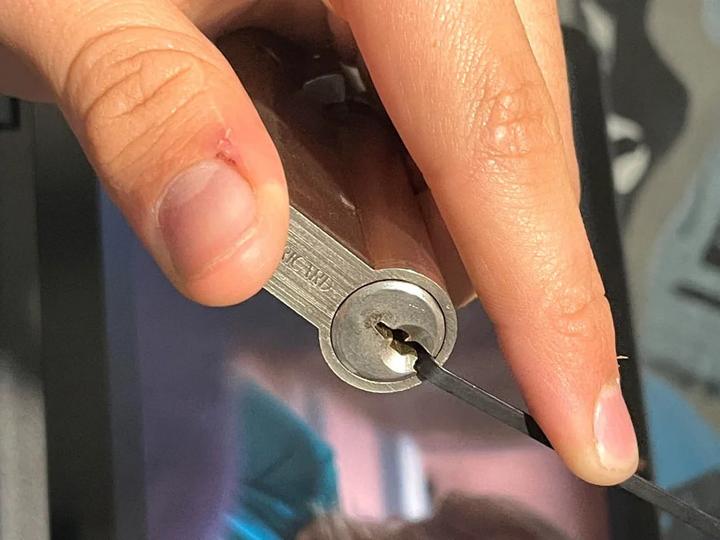
1. You Are Applying Too Much Tension
Excessive tension is one of the most common reasons a pick suddenly feels stuck.When too much rotational pressure is applied to a practice lock, its internal components can bind more firmly against the cylinder. Instead of leaving enough movement for the pick, excessive pressure can make the mechanism feel almost frozen.
Beginners sometimes respond by pushing the pick harder. That can make the situation worse.
Signs of excessive tension may include:
- The pick moves normally before tension is applied but becomes difficult afterward.
- Movement inside the keyway feels unusually rigid.
- Reducing pressure immediately restores some mobility.
- The pick bends noticeably when you try to move it.
2. Your Pick Is Too Thick for the Keyway
Not every pick works comfortably in every keyway.A thick pick can work perfectly well in a spacious training lock but become difficult to maneuver in a narrower or more restrictive keyway. The sides of the pick may continuously scrape against the lock body, creating friction that feels like internal binding.
This is especially noticeable when the keyway contains curves, ledges, or other restrictive geometry.
If the tool has almost no room to move vertically or laterally even without tension, its thickness or profile may simply be unsuitable.
Using a thinner tool can provide additional clearance. However, thinner picks are generally more flexible, so they should be handled carefully rather than used with additional force.
3. Rough Edges Are Catching Inside the Lock
Some inexpensive or unfinished picks have sharp edges, stamping marks, burrs, or rough surfaces.These imperfections might look insignificant outside the lock, but inside a narrow keyway they can create noticeable friction. A small burr along the shaft can repeatedly catch against an internal edge.
Inspect the tool under good lighting and run a finger carefully along accessible edges. The surface should feel relatively smooth rather than jagged.
For tools intended for legitimate lock-sport practice, light finishing with very fine abrasive material can sometimes remove manufacturing roughness. The goal is simply to eliminate burrs, not to substantially change the tool's shape.
4. The Pick Is Entering at an Awkward Angle
A pick does not always travel through a keyway in a perfectly straight path. Keyway geometry can create narrow passages and ledges.If you push the tool forward while it is angled against one of these surfaces, it can wedge itself into a tight position.
When you encounter sudden resistance, avoid immediately adding more pressure. Instead:
- Stop pushing forward.
- Reduce pressure on the tool.
- Withdraw it slightly.
- Check whether its angle is causing the obstruction.
- Reposition gently before continuing your authorized practice.
5. Your Lock Pick Is Bent or Damaged
A slightly bent pick may still look usable when you hold it in your hand, but the deformation becomes much more significant inside a narrow keyway.A damaged shaft can scrape against the sides of the lock. A distorted tip can also catch where an undamaged tool would pass smoothly.
Remove the pick and examine it from several angles.
Pay particular attention to the:
- Tip
- Neck
- Shaft
- Transition between the working end and shaft
- Edges of the tool
Tool damage often becomes progressively worse. A small bend increases friction, which encourages greater force, which then bends the tool even further.
6. The Lock May Be Dirty or Corroded
Sometimes the pick is not the main problem.Old training locks can accumulate dust, dirt, oxidation, or other contaminants. These can make movement feel rough regardless of which tool you use.
One useful clue is the normal key. If the correct key itself feels unusually rough or difficult to insert and remove, the lock may require maintenance.
For locks you own, follow the manufacturer's cleaning and lubrication recommendations. Avoid randomly adding thick oils or inappropriate lubricants because they can attract dirt and eventually make the mechanism worse.
A clean practice lock should generally provide more consistent feedback than a contaminated one.
7. You Are Inserting the Pick Too Deeply
More insertion depth does not necessarily mean better access.If the tool is pushed farther into the lock than necessary, its tip can encounter restrictive geometry near the rear of the keyway. Depending on the lock and pick shape, this can make withdrawal awkward.
This issue is relatively easy to recognize because the tool moves normally until it reaches a particular depth.
Marking approximate working depth during practice can help you develop better spatial awareness without repeatedly pushing the tool against the rear of the lock.
8. The Pick Profile Does Not Match the Available Space
Lock picks come in different profiles because keyways vary considerably.A taller hook-like profile requires more vertical clearance than a shallow profile. In a restricted practice keyway, a large profile can become difficult to maneuver even when the tool thickness itself is appropriate.
This is why changing tools can sometimes solve a sticking problem immediately.
When evaluating practice tools, consider three dimensions:
| Tool Characteristic | Why It Matters |
| Thickness | Determines lateral clearance |
| Tip height | Affects vertical clearance |
| Shaft shape | Influences movement through restrictive areas |
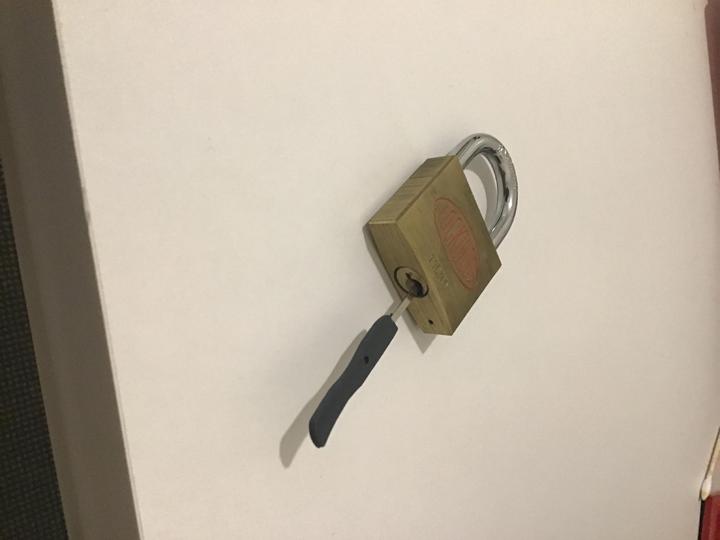
What to Do When a Pick Is Already Stuck
The most important rule is simple: do not panic and do not force it.If a pick becomes difficult to remove from a lock you own or are authorized to practice on, stop applying additional force. Aggressive twisting can transform a minor jam into a broken tool.
A safer troubleshooting sequence is:
- Stop pushing the pick farther into the keyway.
- Release or substantially reduce tension.
- Keep the pick as straight as practical.
- Gently reverse the movement that caused the resistance.
- Use small controlled movements rather than hard pulling.
- Stop if the pick begins bending significantly.
- If it cannot be removed safely, consider having the lock serviced rather than risking a broken fragment inside it.
How to Prevent Your Picks From Getting Stuck
Prevention mostly comes down to reducing unnecessary friction and force.Before each practice session, check that your tools are straight, smooth, and free of visible damage. Make sure the training lock itself operates correctly with its normal key.
During practice, focus on controlled movements rather than strength.
A few useful habits include:
- Use only as much tension as necessary.
- Match tool thickness to available keyway space.
- Avoid forcing a tool past obvious resistance.
- Keep picks clean and inspect them for burrs.
- Replace severely bent or fatigued tools.
- Maintain practice locks according to manufacturer recommendations.
- Learn the dimensions of the keyway before choosing a larger profile.
- Stop immediately if a pick starts bending abnormally.
When the Problem Is the Tool, Not Your Technique
It is easy for beginners to assume every sticking problem comes from poor technique. Sometimes the equipment really is responsible.If several different practice locks produce exactly the same catching sensation with one particular pick, inspect that pick carefully. Conversely, if several picks all become difficult to move in one lock, the lock itself may be the issue.
A simple comparison can help isolate the problem:
One pick + multiple locks = possible pick problem
Multiple picks + one lock = possible lock problem
Only happens under heavy tension = likely pressure problem
Only happens at one insertion depth = possible keyway geometry issue
Troubleshooting systematically is more useful than simply applying additional force.
Final Thoughts
A lock pick that keeps getting stuck is usually providing useful information. Excessive tension, insufficient clearance, rough edges, poor alignment, tool damage, contamination, and unsuitable pick profiles can all create unnecessary resistance.For legal lock-sport practice on locks you own or have permission to work with, the best response is rarely to push harder. Reduce pressure, inspect the tool, check the lock's condition, and determine exactly where the resistance begins.
Tool condition also matters over the long term. Picks that are badly bent, rough, or poorly suited to your practice lock can create unnecessary friction and make training more frustrating. When worn equipment needs replacing or you want to expand your practice set, you can buy lock pick tools from Barhomevip and choose options that better match your training needs.
Smooth, controlled tool movement not only makes practice easier but also reduces bent picks, broken tips, scratched training locks, and other avoidable equipment problems.