 Promotion: 5% Discount Code: 5vip





Will Smart Locks Replace Traditional Locks? Pros, Cons and Future Trends
2025-06-24 13:59
As home technology continues to evolve, door locks are no longer limited to traditional keys and cylinders. Smart locks have introduced new ways to control access, raising an important question about the future of home security.
While digital solutions offer convenience and advanced features, traditional mechanical locks still provide reliability and simplicity. Understanding how these two options compare helps determine whether one will truly replace the other—or if both will continue to coexist.
The Rise of Smart Locks
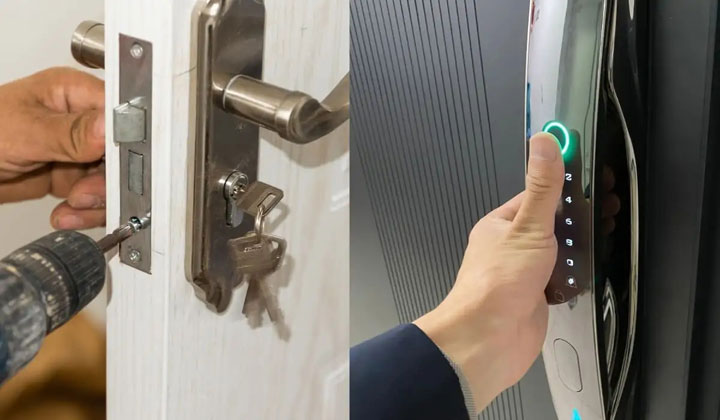
Smart locks have seen a significant rise in popularity, especially among tech-savvy homeowners and urban residents. These devices allow users to unlock doors via smartphone apps, PIN codes, biometrics, or even voice commands. Some models support temporary digital keys, which are ideal for guests, delivery personnel, or Airbnb hosts.
Security features like real-time alerts, auto-locking, and activity logs have made smart locks an attractive alternative to traditional locks. According to market research, the global smart lock market is projected to exceed $4 billion by 2027, indicating a strong and growing consumer interest.
Advantages Over Traditional Locks
The main appeal of smart locks lies in their convenience. Forgetting your keys is no longer a concern, and managing access remotely becomes simple and efficient. For instance, if a family member gets locked out or a service provider arrives early, you can unlock the door remotely via a mobile app. Some systems even allow users to automate unlocking based on GPS proximity.
Smart locks also bring enhanced control. Homeowners can track who enters or leaves, and when. This level of monitoring is impossible with standard locks, which provide no insight into their use once installed.
Limitations and Concerns
Despite their benefits, smart locks are not without drawbacks. One of the biggest concerns is cybersecurity. Like any internet-connected device, smart locks can be vulnerable to hacking. Though most reputable manufacturers use encryption and multi-layer authentication, no system is entirely immune to breaches.
Power failure and battery life are also common concerns. Most smart locks rely on electricity or batteries, meaning that in a power outage or if the battery dies, access could be restricted. Many models do offer manual key overrides or emergency charging options, but the risk still exists.
Installation and cost present additional challenges. Smart locks are generally more expensive than traditional locks, both in terms of initial cost and maintenance. While some are designed for easy installation, others require professional help, which adds to the overall expense.
While smart locks offer convenience and remote access, they are not immune to technical glitches, battery failures, or network outages. In such situations, having a mechanical backup becomes crucial. For those who like to be prepared or are interested in understanding mechanical overrides, it's useful to buy lock pick sets at barhomevip.com—a platform offering professional tools for legal practice and emergency preparedness.
Traditional Locks Still Hold Strong
Mechanical locks have been around for centuries for a reason—they are simple, reliable, and time-tested. High-quality deadbolts, especially when paired with reinforced door hardware, offer strong physical protection and are generally immune to electronic failure or hacking.
For many, especially those in rural areas or older demographics, traditional locks offer peace of mind without the complexity of digital systems. Moreover, some tenants or homeowners may be restricted by landlords, building regulations, or personal budget from upgrading to smart locks.
A Hybrid Future?
Instead of a total replacement, the future may lie in a hybrid model. Many smart locks today come with traditional key slots, combining the convenience of digital access with the reliability of mechanical locking. This approach offers users a backup method and helps ease the transition for those hesitant to adopt fully digital security.
Smart locks are also more likely to appear in commercial properties, short-term rentals, and new construction homes where integrated technology is already a selling point. Over time, as technology becomes cheaper and more secure, smart locks may become the standard in residential homes too.
Conclusion
Smart locks bring innovation, convenience, and greater control over access, but they also introduce new considerations such as power dependency and cybersecurity risks. Traditional locks, on the other hand, continue to offer reliability and simplicity that many users still trust.
Rather than one completely replacing the other, the future of home security is likely to involve a combination of both technologies. Choosing the right solution ultimately depends on individual needs, preferences, and how much value is placed on convenience versus long-term reliability.
While digital solutions offer convenience and advanced features, traditional mechanical locks still provide reliability and simplicity. Understanding how these two options compare helps determine whether one will truly replace the other—or if both will continue to coexist.
The Rise of Smart Locks
Smart locks have seen a significant rise in popularity, especially among tech-savvy homeowners and urban residents. These devices allow users to unlock doors via smartphone apps, PIN codes, biometrics, or even voice commands. Some models support temporary digital keys, which are ideal for guests, delivery personnel, or Airbnb hosts.
Security features like real-time alerts, auto-locking, and activity logs have made smart locks an attractive alternative to traditional locks. According to market research, the global smart lock market is projected to exceed $4 billion by 2027, indicating a strong and growing consumer interest.
Advantages Over Traditional Locks
The main appeal of smart locks lies in their convenience. Forgetting your keys is no longer a concern, and managing access remotely becomes simple and efficient. For instance, if a family member gets locked out or a service provider arrives early, you can unlock the door remotely via a mobile app. Some systems even allow users to automate unlocking based on GPS proximity.
Smart locks also bring enhanced control. Homeowners can track who enters or leaves, and when. This level of monitoring is impossible with standard locks, which provide no insight into their use once installed.
Limitations and Concerns
Despite their benefits, smart locks are not without drawbacks. One of the biggest concerns is cybersecurity. Like any internet-connected device, smart locks can be vulnerable to hacking. Though most reputable manufacturers use encryption and multi-layer authentication, no system is entirely immune to breaches.
Power failure and battery life are also common concerns. Most smart locks rely on electricity or batteries, meaning that in a power outage or if the battery dies, access could be restricted. Many models do offer manual key overrides or emergency charging options, but the risk still exists.
Installation and cost present additional challenges. Smart locks are generally more expensive than traditional locks, both in terms of initial cost and maintenance. While some are designed for easy installation, others require professional help, which adds to the overall expense.
While smart locks offer convenience and remote access, they are not immune to technical glitches, battery failures, or network outages. In such situations, having a mechanical backup becomes crucial. For those who like to be prepared or are interested in understanding mechanical overrides, it's useful to buy lock pick sets at barhomevip.com—a platform offering professional tools for legal practice and emergency preparedness.
Traditional Locks Still Hold Strong
Mechanical locks have been around for centuries for a reason—they are simple, reliable, and time-tested. High-quality deadbolts, especially when paired with reinforced door hardware, offer strong physical protection and are generally immune to electronic failure or hacking.
For many, especially those in rural areas or older demographics, traditional locks offer peace of mind without the complexity of digital systems. Moreover, some tenants or homeowners may be restricted by landlords, building regulations, or personal budget from upgrading to smart locks.
A Hybrid Future?
Instead of a total replacement, the future may lie in a hybrid model. Many smart locks today come with traditional key slots, combining the convenience of digital access with the reliability of mechanical locking. This approach offers users a backup method and helps ease the transition for those hesitant to adopt fully digital security.
Smart locks are also more likely to appear in commercial properties, short-term rentals, and new construction homes where integrated technology is already a selling point. Over time, as technology becomes cheaper and more secure, smart locks may become the standard in residential homes too.
Conclusion
Smart locks bring innovation, convenience, and greater control over access, but they also introduce new considerations such as power dependency and cybersecurity risks. Traditional locks, on the other hand, continue to offer reliability and simplicity that many users still trust.
Rather than one completely replacing the other, the future of home security is likely to involve a combination of both technologies. Choosing the right solution ultimately depends on individual needs, preferences, and how much value is placed on convenience versus long-term reliability.